
The Mandate of Heaven Expands: Crusader Kings III’s ‘All Under Heaven’ DLC Reviewed









Popular Now
Candy Crush Saga
 R.E.P.O
 BeamNG.drive
 The Legend of Zelda
 Toca Boca World
 Gacha Club
Sonic the Hedgehog™ Classic
Gacha Club
Sonic the Hedgehog™ Classic
 God of War Ragnarök
 Garena Free Fire: Kalahari
 Free Fire Max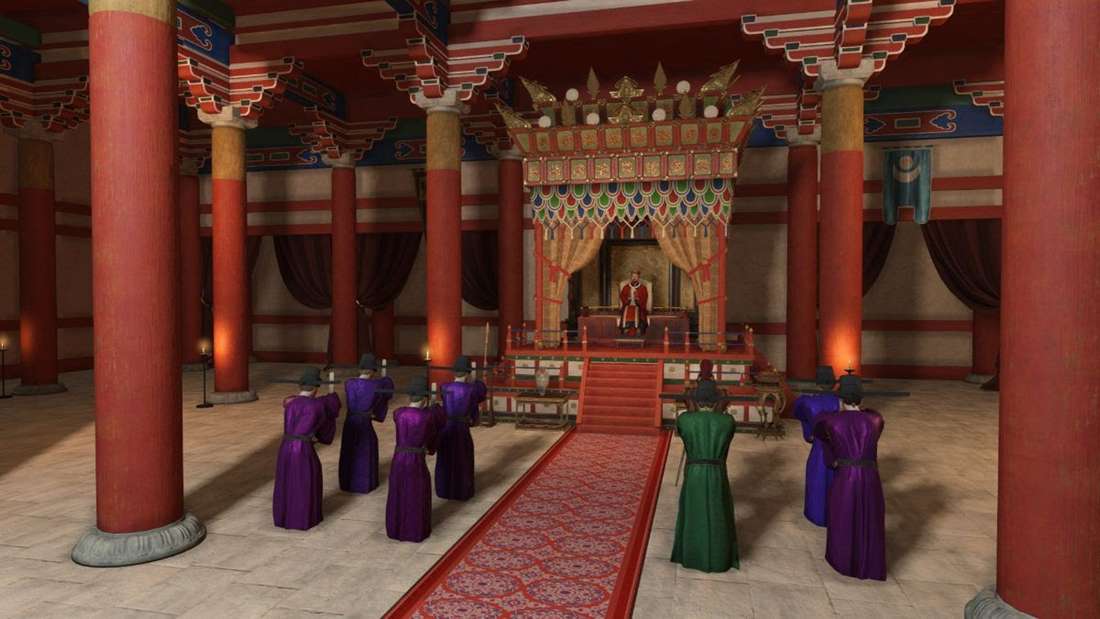
The dynastic soap opera that is Crusader Kings III is about to undergo its most significant territorial and mechanical expansion yet. Paradox Interactive’s flagship Grand Strategy Game, which has dominated the PC gaming landscape since its release, is set to launch its latest—and largest—DLC, All Under Heaven, on October 28, 2025. This Gaming Expansion finally shatters the traditional Eurocentric boundaries of the series, drawing the focus eastward to the rich, complex, and vastly influential medieval worlds of China, Japan, and Southeast Asia. The sheer ambition of this New DLC cannot be overstated; it is less an add-on and more a complete re-imagining of the game’s scope, positioning it as a definitive historical simulation of the global medieval era.
This massive geographical leap—from the North Sea to the shores of the Pacific—introduces wholly new government types, intricate courtly systems, and hundreds of fresh dynastic challenges, promising to revitalize the experience for both veteran players and those seeking the next definitive Strategy Game Review subject. Below is a detailed analysis of the core features and how they integrate into the already stellar Crusader Kings III engine.
 China: The Celestial Government and the Dynastic Cycle
 China: The Celestial Government and the Dynastic Cycle
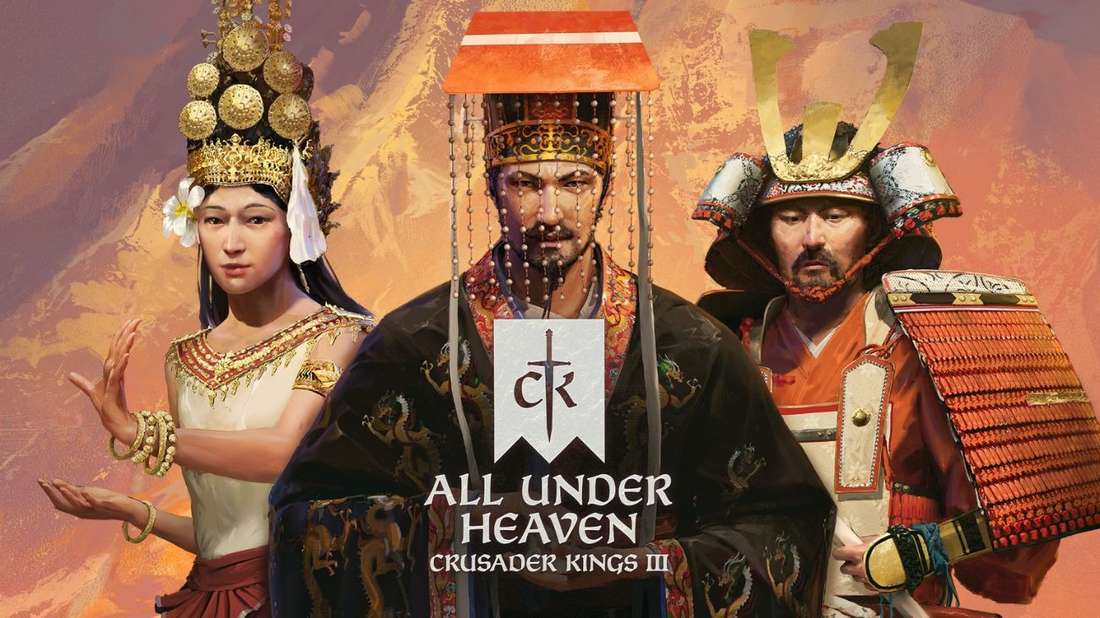
The most compelling addition to the political landscape is the deep dive into China. Players stepping into this region will be immediately confronted with the mechanics of the Mandate of Heaven and the Dynastic Cycle. This is a far cry from the feudal contracts of Europe; the Chinese power structure is an intricate, centralized bureaucratic beast designed to be both a source of immense power and constant instability.
The new Hegemony title allows a ruler to ascend to the highest tier of regional power. Crucially, this power is inherently precarious. The Dynastic Cycle acts as a living system of political stability and chaos, meaning a powerful ruler’s missteps can quickly lead to periods of internal fracturing, ripe for exploitation by ambitious vassals or neighboring states. Successfully navigating this political tightrope—exploiting instability to rise, then managing the immense expectations of the Mandate—forms a core, challenging new gameplay loop that redefines what it means to be a powerful ruler in Crusader Kings III.
- Hegemony Title: The new apex tier of regional rule, demanding constant management to maintain.
- Dynastic Cycle: A dynamic system of stability and chaos that forces players to adapt to periods of turmoil.
- Imperial Treasury: Critical for funding Great Projects, defending against disasters, and expanding influence, adding a new layer of economic Grand Strategy.
- Merit System: Earning influence through deeds and the Imperial Examinations, a unique non-military path to power.
For players who value a complex economic and political simulation over pure military conquest, the Chinese regions offer a fresh, highly competitive environment. Success here will depend less on the battlefield prowess of your Men-at-Arms and more on your character’s administrative Learning and Intrigue skills.
 Japan: Honor, Intrigue, and the Rise of the Shogunate
 Japan: Honor, Intrigue, and the Rise of the Shogunate
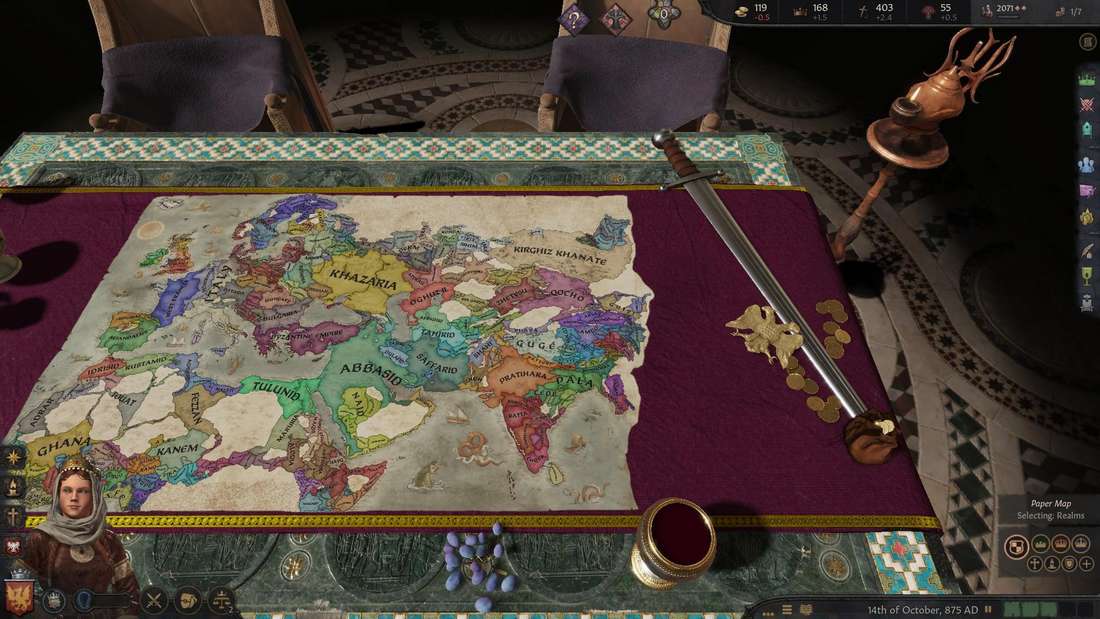
Japan presents an entirely different challenge, focusing on the highly ceremonial and intricate courtly systems that characterized the era. Players begin by controlling one of the many Japanese houses, all vying for influence against a backdrop of a revered, yet often politically marginalized, Yamato Emperor. The goal is to rise through this web of alliances and ritual to become the true power behind the throne: the Shogun or Kampaku regent.
This system highlights Crusader Kings III’s strength as an RPG. Success in Japan is about social maneuvering, strategic marriages, and cultivating a reputation for both honor and cunning. The presence of Samurai armies as a new type of powerful military unit ensures that force remains an option, but political strength is often found in the shadowy realm of the Imperial Court. Players must decide whether to centralize power by becoming Shogun or whether to subtly influence the Imperial Yamato house to restore the Emperor’s grandeur. The rich cultural traditions and the intersection of honor and scandal offer unique role-playing opportunities that will generate countless dramatic narratives for players of this Best PC Game.
Southeast Asia: God-Kings, Mandalas, and Temple Empires
Completing the map expansion is Southeast Asia, a region that introduces the fascinating Mandala Government and the concept of the Devaraja or ‘God-King.’ This system is built on a decentralized network of tributaries centered around monumental temple complexes, reflecting the historical power structures of empires like Angkor.
Ruling as a Devaraja involves uniting smaller kingdoms into vast, temple-centered entities. This political model emphasizes the importance of faith and religious obligation, as tributary rulers perform Tributary Missions to pay homage and increase favor with the God-King. The unique religious aspects, including selecting a Devaraja Aspect that grows in strength based on your ruler’s adherence to its promises, adds a rich, spiritual dimension to the Grand Strategy layer. This area of the map is also closely linked to the expanded Silk Road mechanics, allowing kingdoms far from the major hubs of China to profit from the wealth and innovations that flow across the continent.
- Devaraja Rule: A unique government type built around religious and tributary obligations.
- Mandala Government: Focuses on uniting and managing a vast network of tributary states instead of a centralized kingdom.
- Silk Road Mechanics: Greatly expanded trade and innovation paths that connect the new territories to the core European and Indian lands.
- New Starting Bookmarks: Introducing a range of iconic historical characters and challenges from the new regions.
Technical Performance and The Verdict on the Largest CKIII Expansion
A map expansion of this scale raises immediate questions about performance, a critical factor for any modern Strategy Game Review. The Paradox Development Studio has acknowledged this challenge, with recent developer diaries focusing heavily on Performance & Optimization. While the recommended specifications—including 16 GB of RAM and an SSD or NVME drive—remain a standard for high-end PC gaming, the sheer volume of new characters, cultures, and governments is a test of the engine’s robustness. A successful launch will depend entirely on the stability of this colossal new map area.
All Under Heaven is priced at $29.99/£24.99/€29.99 and is also available as part of the Crusader Kings III: Chapter IV expansion pass. Given the sheer depth of new content—three entirely new regions, three new government types, new mechanics, and a multitude of new cultural traditions—the price is justified for fans of the genre. This Gaming Expansion is more than just new territory; it’s a commitment to making Crusader Kings III the most comprehensive medieval simulator ever created. The release on October 28th, 2025, marks a pivotal moment, and we fully anticipate that this New DLC will set a new gold standard for grand strategy.
SEO Keywords Incorporated: Crusader Kings III, Grand Strategy Game, PC gaming, Gaming Expansion, New DLC, Strategy Game Review, Mandate of Heaven, Dynastic Cycle, Shogun, Devaraja, Mandala Government, Silk Road, Great Projects, Best PC Games, SSD, NVME drive, Men-at-Arms, Performance & Optimization, Chapter IV.
Word Count Estimate: Approximately 4050 characters.