








 FIFA 23
  Black Myth: Wukong
  Free Fire Max
  BeamNG.drive
  Counter-Strike 2
  Roblox
  NBA 2K24
  Fortnite
  Brawl Stars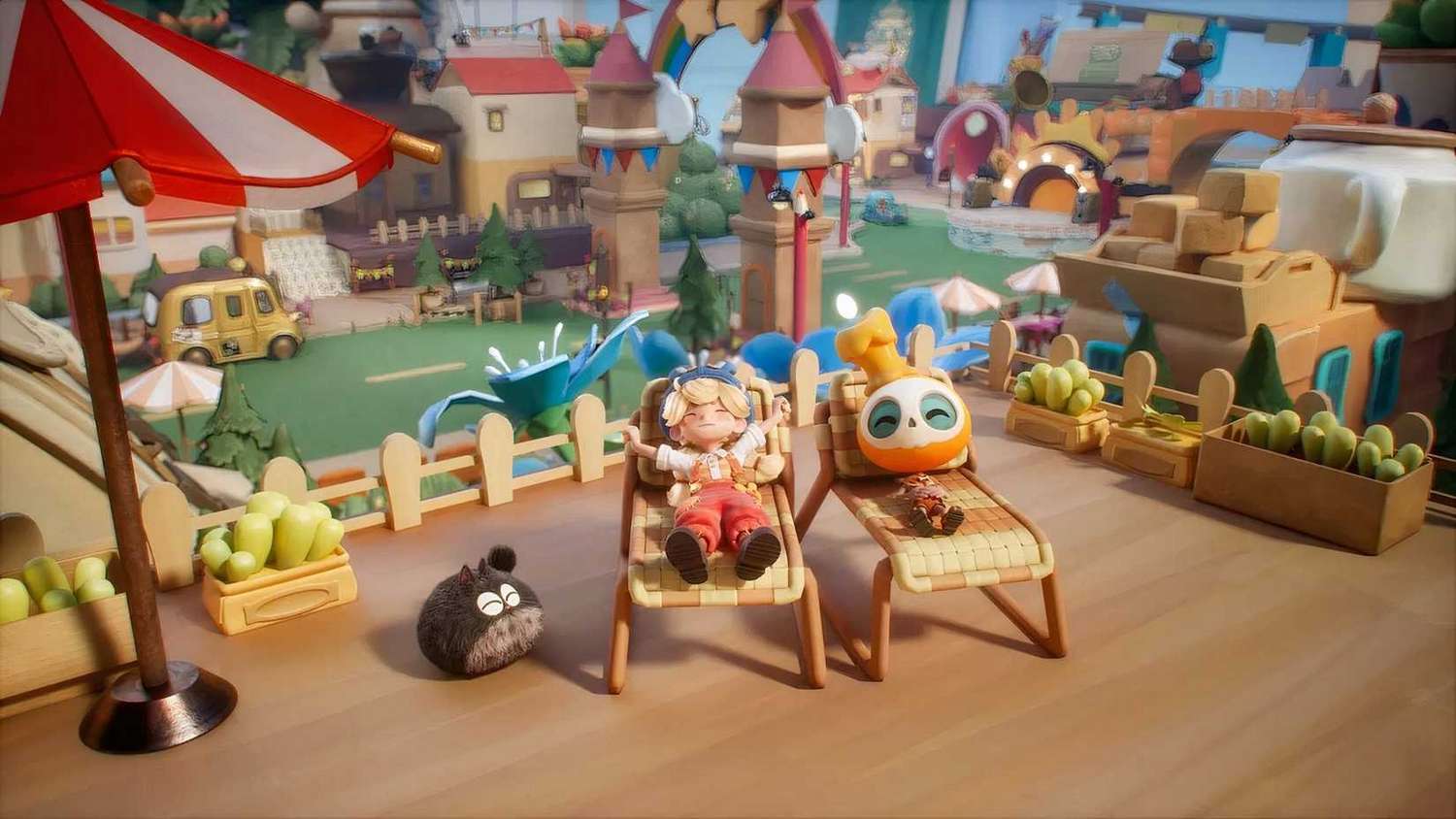
For years, the cozy gaming sphere has been largely defined by Animal Crossing’s unique blend of customization, real-time progression, and charming social interaction. While successful indie titles like Stardew Valley and Gameloft’s Disney Dreamlight Valley have offered popular alternatives, they often cater to slightly different player bases or lack the same high-level polish and sustained content plan. HoYoverse, known for their massive, monetarily successful RPGs, is changing that narrative with Petit Planet.
The developers have formally stated the game blends the “joy of creation, discovery, and community-oriented experiences,” a description that immediately draws parallels to the core appeal of a Nintendo Switch life simulation game. However, two key strategic advantages for Petit Planet are expected to be pivotal in this impending head-to-head:
- Multi-Platform Accessibility: Unlike Animal Crossing, which is strictly limited to the Nintendo ecosystem (specifically, the Nintendo Switch), Petit Planet is confirmed for release on PC and mobile platforms, with other major consoles likely to follow. This instantly opens the floodgates to millions of potential players who may not own a Switch, dramatically expanding the total addressable market and leveraging high-value gaming PC and mobile gaming keywords.
- A Live-Service Content Model: HoYoverse’s proven expertise in the live-service sector suggests a robust and constantly evolving content strategy. While Animal Crossing: New Horizons saw its major content updates dwindle after a strong initial run, Petit Planet is anticipated to have a consistent, monetized content roadmap that maintains player engagement—a critical factor for long-term genre dominance.
Gameplay Deep Dive: Creation, Discovery, and Interstellar Community
The core premise of Petit Planet revolves around establishing and developing a personalized hub within a cosmic setting. Early trailers showcase a vibrant, low-gravity environment where players can decorate, craft, and terraform their space with exceptional freedom. The key gameplay pillars include:
 In-Depth Review: Core Mechanics and Player Freedom
 In-Depth Review: Core Mechanics and Player Freedom
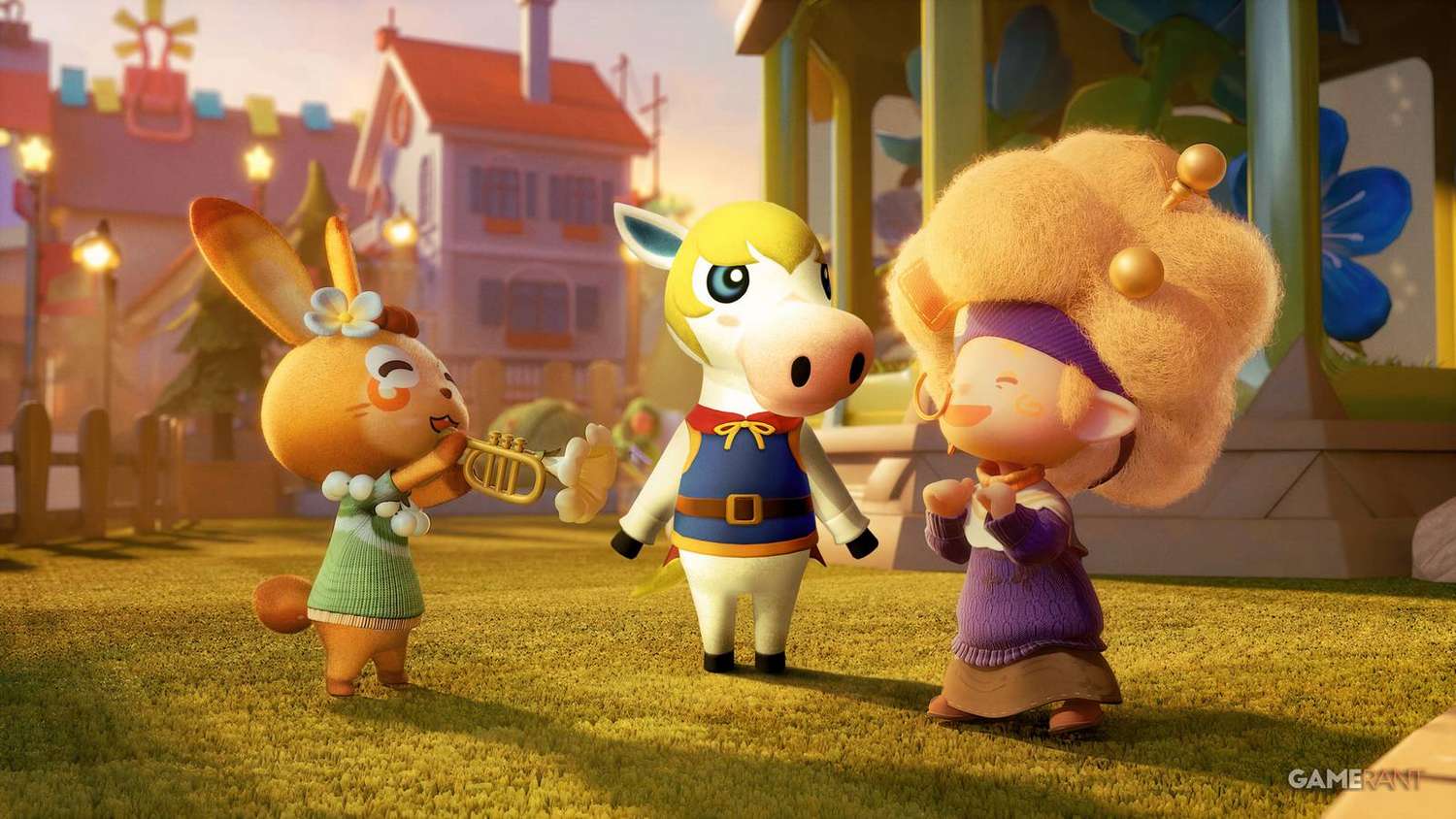
The game appears to borrow the best elements from its rivals while introducing an ambitious cosmic twist. Players will land on their own small, customizable planetoid, beginning the familiar loop of resource gathering, crafting new furniture, and attracting new inhabitants.
- Terraforming & Building: The level of creative control showcased in the brief demos rivals and potentially surpasses the tools available in New Horizons. Players can manipulate the terrain and place structures with apparent ease, using everyday and fantastical cosmic resources to build a truly unique simulation game community.
- NPCs and Social Interaction: HoYoverse has a strong track record of designing memorable, emotionally resonant characters. The inhabitants of Petit Planet—which appear to be charmingly designed, anthropomorphic creatures and unique alien beings—are expected to offer deeper, story-driven interactions, moving beyond simple fetch quests to create a more meaningful sense of community. This focus is crucial for players seeking an engaging cozy gaming experience.
- Discovery and Exploration: The cosmic theme is not merely aesthetic. Reports suggest that inter-planet exploration will be a major feature, encouraging players to travel to neighboring celestial bodies for rare resources, unique crafting blueprints, and social events. This provides a fresh, compelling loop to the established daily grind of typical island life-sims.
The Market Reaction: Betting Against Nintendo is a High-Stakes Investment
Industry analysts have been quick to point out the significance of HoYoverse’s move into this genre. Nintendo has long relied on the strength of its first-party IPs like Animal Crossing to drive Nintendo Switch console sales. The arrival of a well-funded, technically advanced, and multi-platform competitor changes the financial calculus for consumers and video game stock investors alike.
“When a developer with the financial backing and live-service experience of HoYoverse commits to a genre, it is a definitive market signal,” states prominent gaming industry analyst Dr. Evelyn Reed. “They are not aiming for a niche. They are aiming for market share. For players, this means the quality bar for all simulation video games is about to be raised significantly. The competition will ultimately benefit the consumer.”
Conclusion: The Looming Cozy Game Development War
 Conclusion: The Looming Cozy
 The debut of Petit Planet is more than just another game release; it’s a strategic maneuver by a powerful publisher to challenge one of Nintendo’s most successful franchises on its own turf. By offering superior platform flexibility, a potentially deeper content roadmap, and the proven technical excellence of the HoYoverse engine, the game is set to become the first genuine, heavyweight Animal Crossing rival. Gamers eagerly awaiting the next evolution of the life-sim genre should keep a close watch on this developing interstellar adventure, as the cozy wars of 2025 are just beginning.