
MTG Crisis: Spider-Man Set Backlash Sparks Controversial Survey — Is Wizards of the Coast Blaming Content Creators?









Popular Now
 Toca Boca World
 R.E.P.O
 Fall Guys
 League of Legends
 NBA 2K24
 Stumble Guys
 Geometry Dash
 Genshin Impact
Call of Duty
Genshin Impact
Call of Duty
 Warframe
In a stunning development following the widely criticized release of the Magic: The Gathering | Marvel’s Spider-Man Universes Beyond set, Wizards of the Coast (WotC) has distributed a player survey that has ignited a fresh wave of controversy. Rather than solely focusing on the set’s design flaws or product value, one specific question has led to accusations that the company is attempting to shift blame for the set’s poor reception onto MTG content creators and gaming influencers.
The Spider-Man MTG set, part of the high-profile Universes Beyond lineup, has faced a barrage of criticism from the community since its reveal and subsequent release. Complaints have centered on what many perceive as repetitive card designs, an underwhelming Limited format experience (specifically the small set size and ‘Pick 2 Draft’ mechanic), and a lack of thematic cohesion. The overall sentiment has been overwhelmingly negative, leading to significant market underperformance and a crash in Collector Booster prices.
The Loaded Question: A ‘Witch Hunt’ for Influencers?
The core of the new outrage stems from a section of the official WotC player survey. Participants who indicated that content creators were a source of their news about the Spider-Man set were reportedly prompted with a highly pointed question:
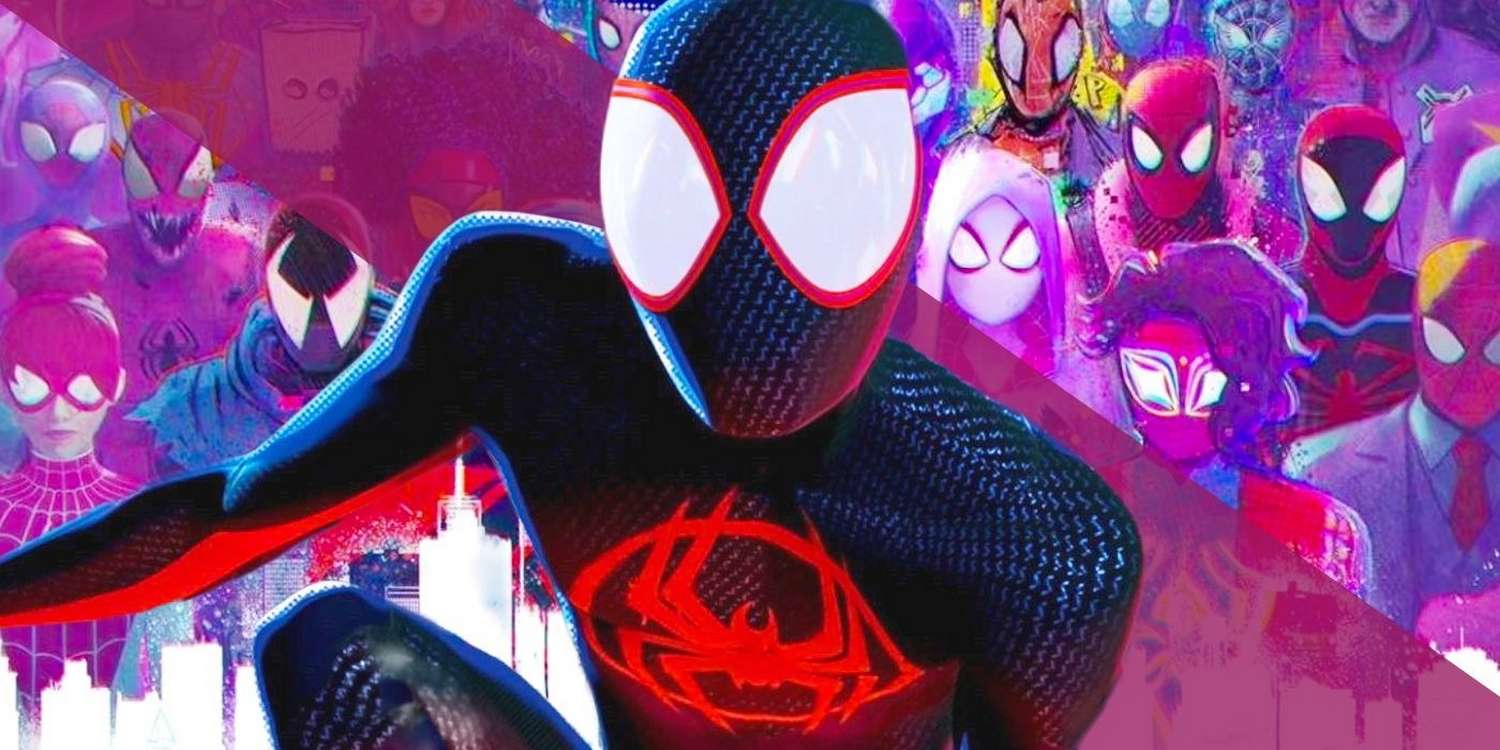 “To what degree did negative influencer commentary impact your perceptions of Magic: The Gathering | Marvel’s Spider-Man before the set released?”
This question, which also asked participants to name the streamers and content creators they engage with, has been widely condemned by both players and professional personalities within the Magic: The Gathering community. Critics argue that the phrasing is a leading question, designed to elicit a specific answer that deflects attention from the product’s inherent issues, such as design choices like the ‘Hot Dog Cart’ and ‘Subway Train’ filler cards.
- Professional MTG players, including Hall of Fame inductees, have expressed deep concern, with some labeling the inquiry a “witch hunt.”
- Many players are refusing to answer the influencer identification questions, citing fears of potential Wizards of the Coast retaliation against creators whose feedback was critical.
- The absence of a corresponding question about the impact of positive commentary has further fueled the perception that the survey’s intent is punitive rather than objective.
Industry Reaction and Implications for Gaming Content Creation
The backlash has been swift and severe, with many in the digital content space interpreting the move as a sign of corporate insecurity and an attempt to control the narrative. The relationship between WotC and its network of sponsored and independent content creators is vital for the game’s marketing, and this survey risks damaging that trust.
A number of well-known figures have spoken out, suggesting that if WotC is seen as penalizing creators for honest criticism, it will incentivize a culture of insincere positivity, making it harder for consumers to get genuine, unbiased game reviews and product assessments in the future.
“The problem isn’t the feedback, it’s the product,” is a sentiment echoed across social media platforms like X (formerly Twitter) and Reddit’s r/magicTCG. Players point to issues like aggressive price increases across the entire MTG product line and a relentless publishing schedule that compromises design quality, making the poor reception of the Spider-Man set a symptom of broader corporate strategy, not simply critical coverage.
 Broader Context: The Universes Beyond Strategy
 Broader Context: The Universes Beyond Strategy
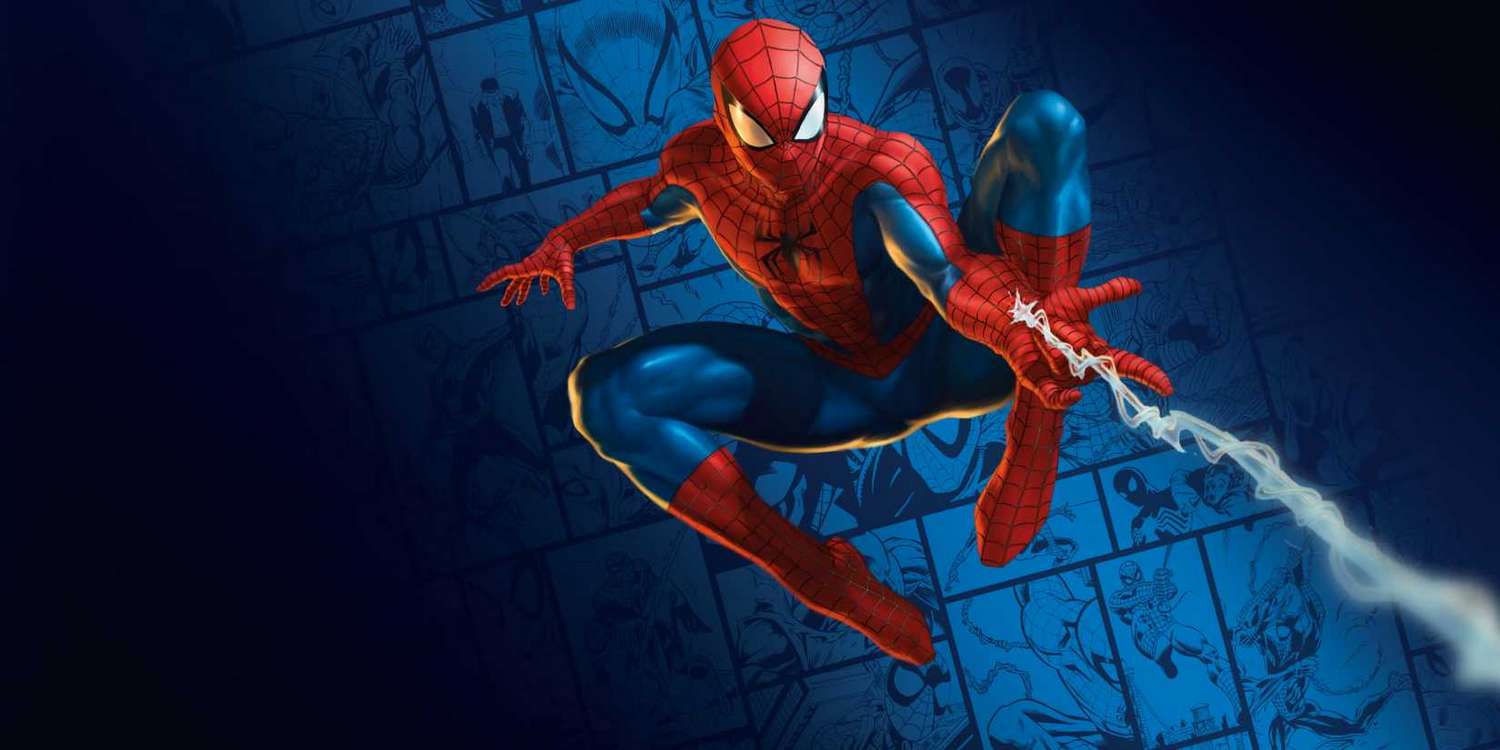
The Universes Beyond (UB) initiative, which brings external IPs like Marvel into the world of Magic, is a key component of Hasbro’s strategy to expand the game’s reach and has generally been highly successful financially. However, recent, larger-scale UB releases—like this full Standard-legal set—have drawn more intense scrutiny than previous, smaller releases like Secret Lair drops or Commander pre-constructed decks. Critics argue that while the IPs are popular, the execution of the Spider-Man MTG cards failed to deliver compelling gameplay or flavor that meshed well with the fantasy aesthetics of Magic.
Ultimately, this survey has achieved the opposite of its likely goal. Instead of quietly gathering data to diagnose the set’s failings, it has amplified the negative perception and shifted the focus of the conversation from the set’s poor design to Wizards of the Coast’s questionable market research ethics. As more high-profile UB products—including confirmed sets for PlayStation properties, Star Trek, and Teenage Mutant Ninja Turtles—are in the pipeline, the long-term health of the Magic: The Gathering brand depends on Wizards addressing the root causes of player dissatisfaction, not suppressing critical voices.