
Blizzard Backtracks: Overwatch 2 to Revert Controversial Competitive Stadium Change








Popular Now
 Schedule I
 Call of Duty
 Fortnite
 FIFA 23
 Roblox
 Candy Crush Saga
 League of Legends
Counter-Strike 2
League of Legends
Counter-Strike 2
 Garena Free Fire: Kalahari
 Stumble Guys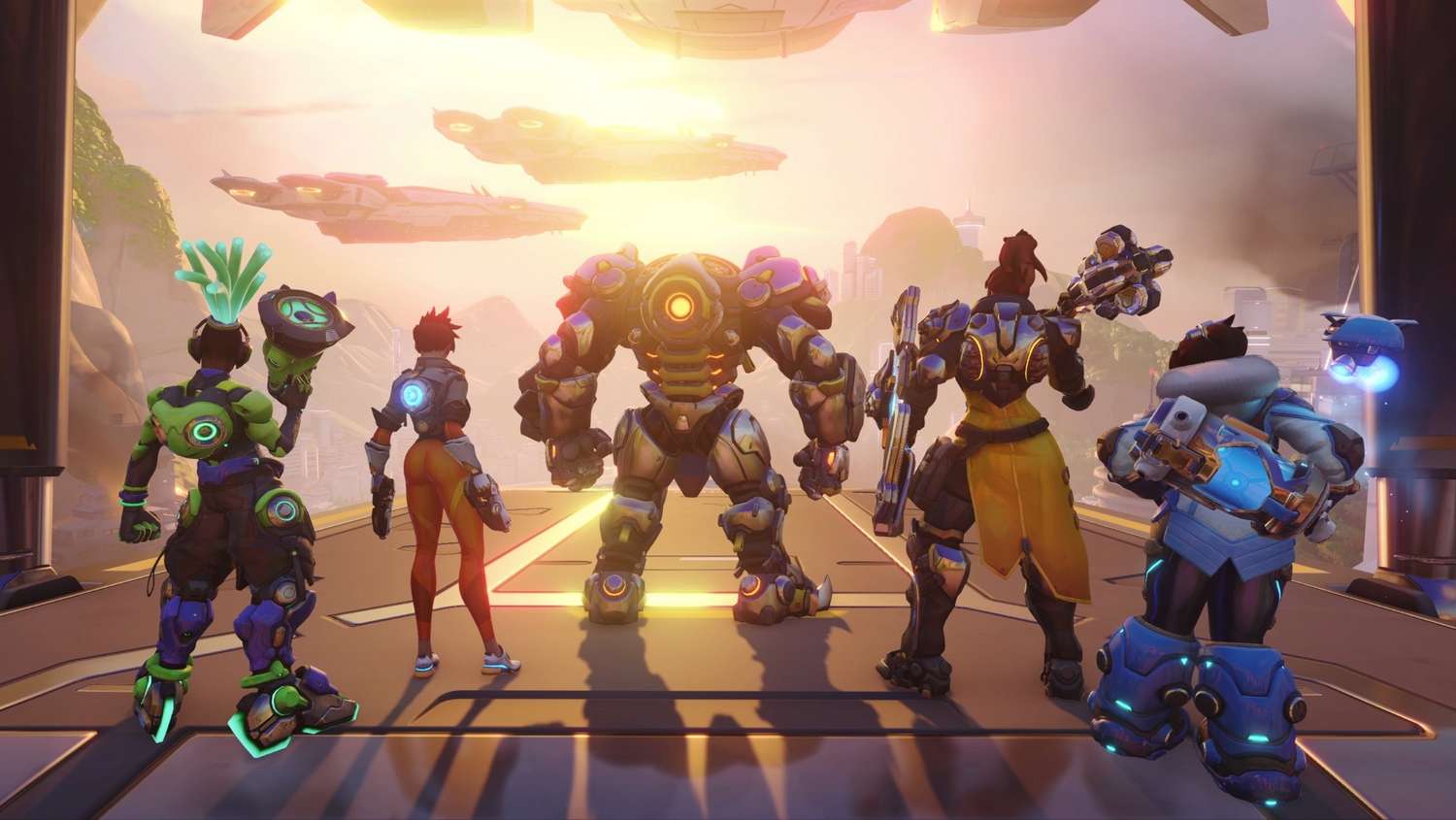
In a swift and uncharacteristic move, Blizzard Entertainment is reportedly preparing to revert one of the most polarizing structural changes introduced in Overwatch 2 Season 19: the shift of Competitive Stadium matches from the established Best-of-Seven (Bo7) format to a shorter Best-of-Five (Bo5) structure. The decision to shorten the match length of the highly strategic, DOTA-inspired competitive mode was met with immediate and significant backlash from the dedicated Stadium player base, leading to rapid developer acknowledgment and a promised patch to restore the previous format.
This reversal highlights the delicate balance between developer intent to “shorten match length” and the community’s demand for preserving the strategic depth that defines the high-stakes, high CPC keyword Stadium mode. The unexpected speed of this rollback demonstrates that the developers are acutely attuned to player feedback, especially concerning the health and competitive integrity of their flagship free-to-play title’s experimental mode.
📉 Why the Best-of-Five Change Caused Community Uproar
The Stadium mode, which operates as a separate competitive ecosystem within Overwatch 2, features hero drafting, an in-match economy, and a progressive build system utilizing Powers and Items. The original Best-of-Seven structure was critical to the mode’s identity, allowing players enough rounds to fully execute their complex late-game builds and stage dramatic reverse-sweeps.
The Core Problems with Bo5 in Competitive Stadium:
- Reduced Strategic Depth: The shorter format significantly diminished the window for economic investment and the activation of high-tier Major Powers. Many complex, high-risk, high-reward builds could only truly “come online” in the later rounds of the original Bo7, adding layers of tactical planning. Reducing the match to Bo5 made early-round power spiking excessively dominant, favoring simpler, more aggressive strategies.
- Snowball Effect: Players reported an increased, often insurmountable, snowball effect. Losing the first two rounds in a Bo5 often resulted in a quick, demoralizing sweep, eliminating the strategic opportunity for a team to recover their economy, research a counter-build, and utilize a late-game composition.
- Diminished Competitive Integrity: The dedicated esports community within Stadium argued that the mode lost its unique identity, becoming too similar to the “Quick Play” version and sacrificing the intense, high-stakes progression for which the ranked mode was known. They contend that competitive play, by its nature, is expected to require a longer time commitment than its casual counterpart.
 Developer comments had suggested the change was intended to “shorten match length while preserving the depth and decision-making.” However, in practice, the community felt the depth was severely compromised, leading to immediate pleas for the return of the extended format.
⚙️ The Technical Rollback: Preserving Game Balance and Player Retention
Sources close to the development team indicate that the reversion to Bo7 will be pushed through as a high-priority patch, likely within the next week. This patch will effectively restore the match structure that was in place from Season 16 through Season 18.
The immediate reversal is seen as a crucial move for player retention in the Stadium mode, which continues to receive significant developmental attention. While Season 19 introduced many exciting and well-received additions—including the new Stadium Gadgets (such as the Colossus Core and Jet Skates), the new control map Busan Sanctuary, and the integration of new heroes like Torbjorn, Hazard, and Sojourn—the fundamental change to the competitive structure overshadowed these positive updates.
The developers are walking a fine line, aiming to inject new mechanics and fresh content without fundamentally alienating the core audience that values the mode’s distinctive slow-burn, strategic tempo. This incident serves as a clear lesson in managing a live-service game with multiple competitive formats. Major structural changes to the core competitive experience require extensive internal testing and community consultation, especially when altering the time commitment for high-rank players.
📈 Broader Implications for Overwatch 2’s Development Philosophy
The swift action taken by the Blizzard team to correct this misstep will likely be viewed positively by the overall Overwatch 2 community. It demonstrates a commitment to responsive development—a key factor in maintaining the long-term success of any live-service gaming product.
Prioritizing Competitive Health: The rapid reversal signals that the competitive integrity of the Stadium experience is a top priority, suggesting a willingness to prioritize the depth of the match experience over purely optimizing for shorter queue times or casual player retention.
The Power of Feedback: This is a clear victory for the community, proving that organized and detailed feedback on platforms like Reddit and the official forums can directly influence game development decisions and lead to quick changes.
Focus on Stadium’s Unique Identity: The move reinforces the idea that Competitive Stadium must retain its distinct flavor—a slower, more methodical MOBA-like experience—to justify its existence alongside the fast-paced traditional Overwatch competitive ladder.
 As the Overwatch 2 development team continues to iterate on the Stadium experiment, this quick course correction will be a point of reference. While the addition of Gadgets introduces a new layer of complexity that has been mostly well-received, maintaining the integrity of the round structure is paramount. The return of the Best-of-Seven format is expected to immediately revitalize interest in the Competitive ladder and restore faith in the mode’s long-term future among the most dedicated esports enthusiasts.
The patch is anticipated to go live very soon, potentially aligning with the next scheduled maintenance window, marking an end to the brief, controversial era of the Bo5 ranked matches.