
New Wave Dominance: How Emerging Manga IPs Are Reshaping the Gaming Landscape Beyond Boruto








Popular Now
 Geometry Dash
 God of War Ragnarök
 Counter-Strike 2
 Free Fire
 Call of Duty
 Fall Guys
 CarX Street
Among Us
CarX Street
Among Us
 Toca Boca World
 Sonic the Hedgehog™ Classic
In the fiercely competitive world of manga and anime, the discourse surrounding which series reigns supreme is a constant and passionate debate. For years, franchises like Naruto and its continuation, Boruto: Naruto Next Generations, have held a foundational status, not just in print but significantly within the realm of video game adaptations. However, recent trends indicate a profound shift, with a new generation of manga capturing public imagination and, crucially, making substantial inroads into the gaming market, often eclipsing the performance and buzz of established giants like Boruto. This article delves into how this new wave of intellectual property (IP) is redefining expectations for gaming adaptations, offering fresh perspectives and compelling gameplay experiences that resonate deeply with a modern audience, thereby impacting gaming market analysis and franchise value metrics.
The Enduring Legacy vs. The Burst of Innovation: Boruto’s Gaming Stance
For over two decades, the Naruto franchise, and by extension Boruto, has been a cornerstone of anime fighting games and JRPGs. Titles like the Naruto: Ultimate Ninja Storm series from CyberConnect2 and Bandai Namco have set a high bar for cel-shaded graphics and authentic recreations of iconic battles. These games have consistently delivered a robust roster, intricate combat mechanics, and compelling story modes that meticulously follow the manga’s narrative. However, as the Boruto manga has progressed, its gaming adaptations, while still drawing on a loyal fanbase, have arguably faced challenges in maintaining the same level of innovative impact or critical acclaim that characterized earlier Naruto titles.
Recent Boruto-centric content, often released as expansions or standalone titles, has leaned heavily on established gameplay formulas. While reliable, this approach can sometimes be perceived as iterative, offering minor refinements rather than groundbreaking advancements. The Boruto game review landscape often points to solid, if predictable, experiences that cater primarily to existing fans rather than drawing in new players with fresh mechanics or narrative urgency. The high cost of developing new game engines and mechanics for an aging, albeit beloved, IP means that publishers often opt for safer bets, leading to a perception of stagnation among a segment of the gaming community looking for evolution.
 The Ascendancy of New Gen Manga in Gaming
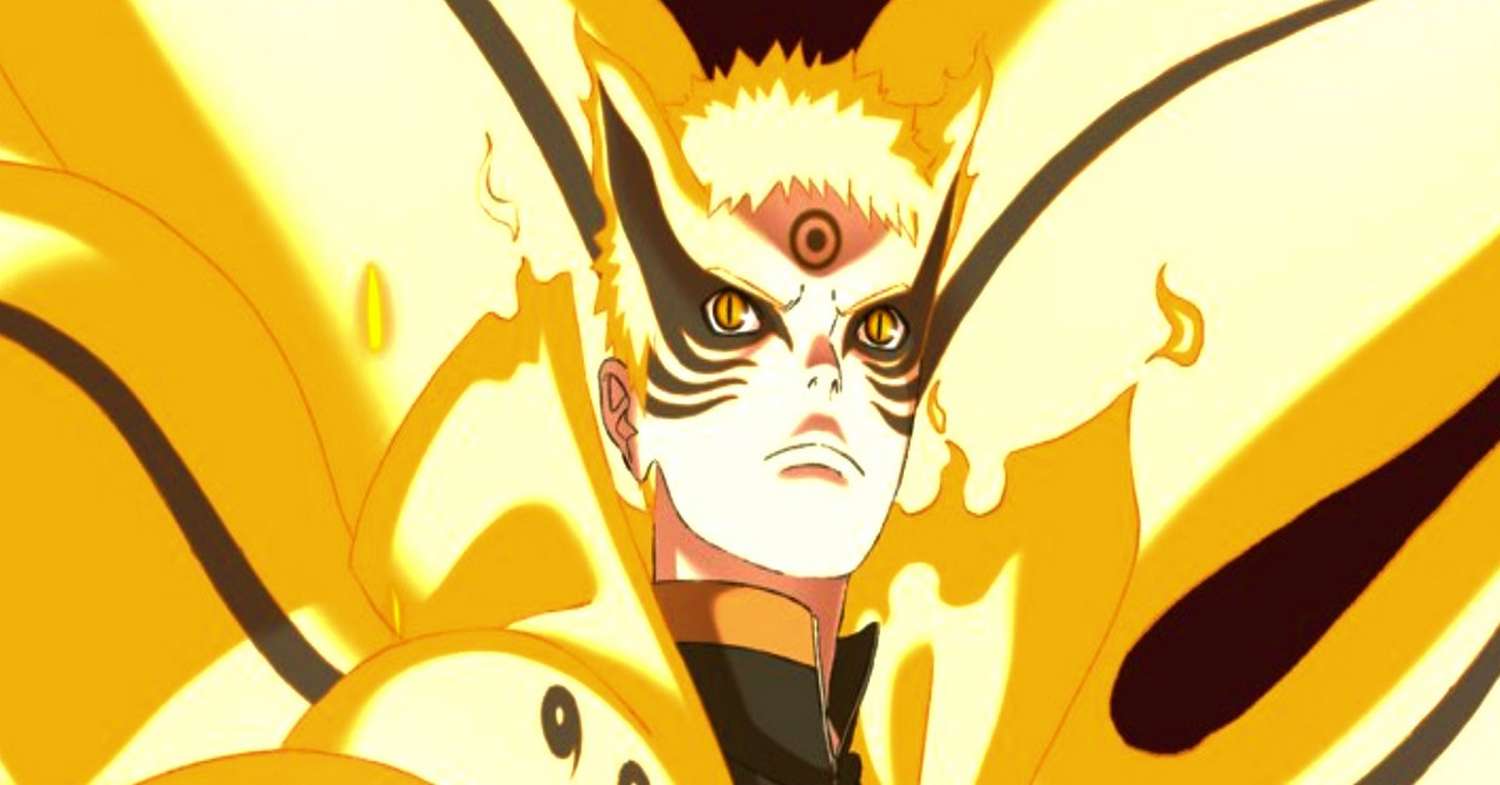 The Ascendancy of New Gen Manga in Gaming
Enter the new guard. Manga like Jujutsu Kaisen, Chainsaw Man, and Spy x Family have exploded onto the scene with unprecedented velocity, rapidly accumulating massive fanbases. Their distinct art styles, mature themes, and innovative storytelling have resonated globally. The speed at which these IPs have received high-quality anime adaptations and, subsequently, significant video game projects is a testament to their immense market potential and the proactive strategies of publishers and developers.
Consider Jujutsu Kaisen as a prime example. Its transition into gaming has been remarkably swift and ambitious. The release of Jujutsu Kaisen Cursed Clash (2024), developed by Byking and published by Bandai Namco, is a direct challenge to the arena fighter genre long dominated by Naruto games. While Cursed Clash itself received mixed reviews, its very existence and the scale of its marketing underscore a significant investment shift. Its fast-paced 2v2 combat and faithful adaptation of character abilities, despite some clunky mechanics, demonstrate a clear effort to capture the unique energy of the source material. The immediate recognition and engagement with a game based on a relatively newer IP highlights a strong market signal: players are eager for fresh experiences tied to current cultural phenomena.
The critical discourse around Jujutsu Kaisen Cursed Clash review often compares it to the polished legacy of the Ultimate Ninja Storm series, revealing areas where new IPs still need to mature their gaming offerings. However, the sheer excitement and willingness of the fanbase to engage critically and commercially with a brand-new anime game comparison shows where the momentum lies. Publishers are keen to capitalize on this, pushing out mobile games and console titles at an accelerated pace, reflecting a dynamic response to what is currently trending and driving significant gaming industry revenue manga. The agility of these new IPs to adapt across different gaming platforms, from sophisticated console fighters to expansive mobile RPGs, indicates a strategic understanding of modern consumer habits.
Why New Gen Manga Games Are Stealing the Spotlight
- Fresh Narratives and Character Appeal: New IPs bring novel stories, unique power systems, and compelling characters that captivate audiences. This freshness translates into a high degree of anticipation for their gaming counterparts, as players are eager to inhabit these new worlds and control their favorite characters. The next-gen manga gaming experience often feels more vital and less burdened by extensive lore or established gameplay expectations.
- Targeted Marketing and Digital Engagement: Publishers are leveraging the immense digital presence of these new manga, with viral social media campaigns and influencer collaborations that resonate directly with younger demographics. This agile marketing strategy creates substantial pre-release buzz, driving early sales and generating discussions around manga game adaptations.
- Diversified Gameplay Approaches: While arena fighters remain popular, new manga IPs are also inspiring games across various genres, including action RPGs, visual novels, and even rhythm games. This diversification caters to a broader audience base, unlike some older IPs that might be confined to specific genres due to established player expectations.
- High Production Values and Publisher Investment: Seeing the explosive growth, major publishers are investing heavily in these new IPs, often commissioning well-regarded developers to create games with significant budgets and high production values. This commitment ensures that the gaming adaptations are not mere cash grabs but genuine attempts to expand the franchise’s universe into an interactive medium. This directly impacts intellectual property gaming investment strategies.
- Esports Potential: Some new-gen manga, with their complex character abilities and competitive themes, inherently possess strong esports potential anime games. Developers are increasingly designing games with competitive multiplayer in mind, aiming to foster dedicated player communities and extend the game’s lifecycle through organized play and tournaments.
 The Strategic Shift for Publishers and Developers
 The Strategic Shift for Publishers and Developers
The success of new gen manga in the gaming sector is forcing publishers like Bandai Namco and Aniplex to re-evaluate their IP adaptation strategy. While evergreen franchises like Dragon Ball and Naruto will always hold significant value, the allocation of development resources and marketing budgets is demonstrably shifting towards emerging powerhouses. This means a greater willingness to take risks on new concepts and to rapidly develop games that align with current anime seasons, creating a synergistic marketing effect.
Developers, too, are benefiting from this invigorated landscape. The opportunity to work on fresh IPs allows for creative freedom and the exploration of new gameplay mechanics that might not fit the mold of older, more rigid franchises. This competition ultimately benefits consumers, as it pushes the entire industry to innovate and produce higher-quality experiences. The publisher market share anime titles is becoming increasingly dynamic, with new entries challenging established leaders.
Conclusion: A New Era for Manga-Inspired Gaming
The narrative of Boruto being ‘beaten’ by a new generation is not just about sales figures in print; it’s a holistic assessment of cultural relevance, fan engagement, and its direct translation into commercial success across all media, including video games. While Boruto continues to command a significant audience and its games offer reliable entertainment, the momentum has undeniably shifted. The rapid ascent and robust gaming presence of new gen manga signal a revitalized era for manga game reviews and adaptations.
These emerging IPs are not merely following a formula; they are actively setting new benchmarks for engagement and innovation in the gaming sphere. For players, this means an exciting future filled with diverse and high-quality interactive experiences. For the industry, it signifies a necessary and dynamic evolution, proving that in the fast-paced world of entertainment, adapting to new trends and investing in fresh talent is paramount for sustained success and driving the next wave of gaming market trends anime.