
Unveiling the Creator’s Vision: Why Tanjiro Kamado Never Achieved Hashira Status in Demon Slayer









Popular Now
 R.E.P.O
 Warframe
 PUBG Mobile
 Auto X Drift Racing 3
Black Myth: Wukong
Among Us
Auto X Drift Racing 3
Black Myth: Wukong
Among Us
 God of War Ragnarök
 FIFA 23
League of Legends
FIFA 23
League of Legends
 Free Fire Max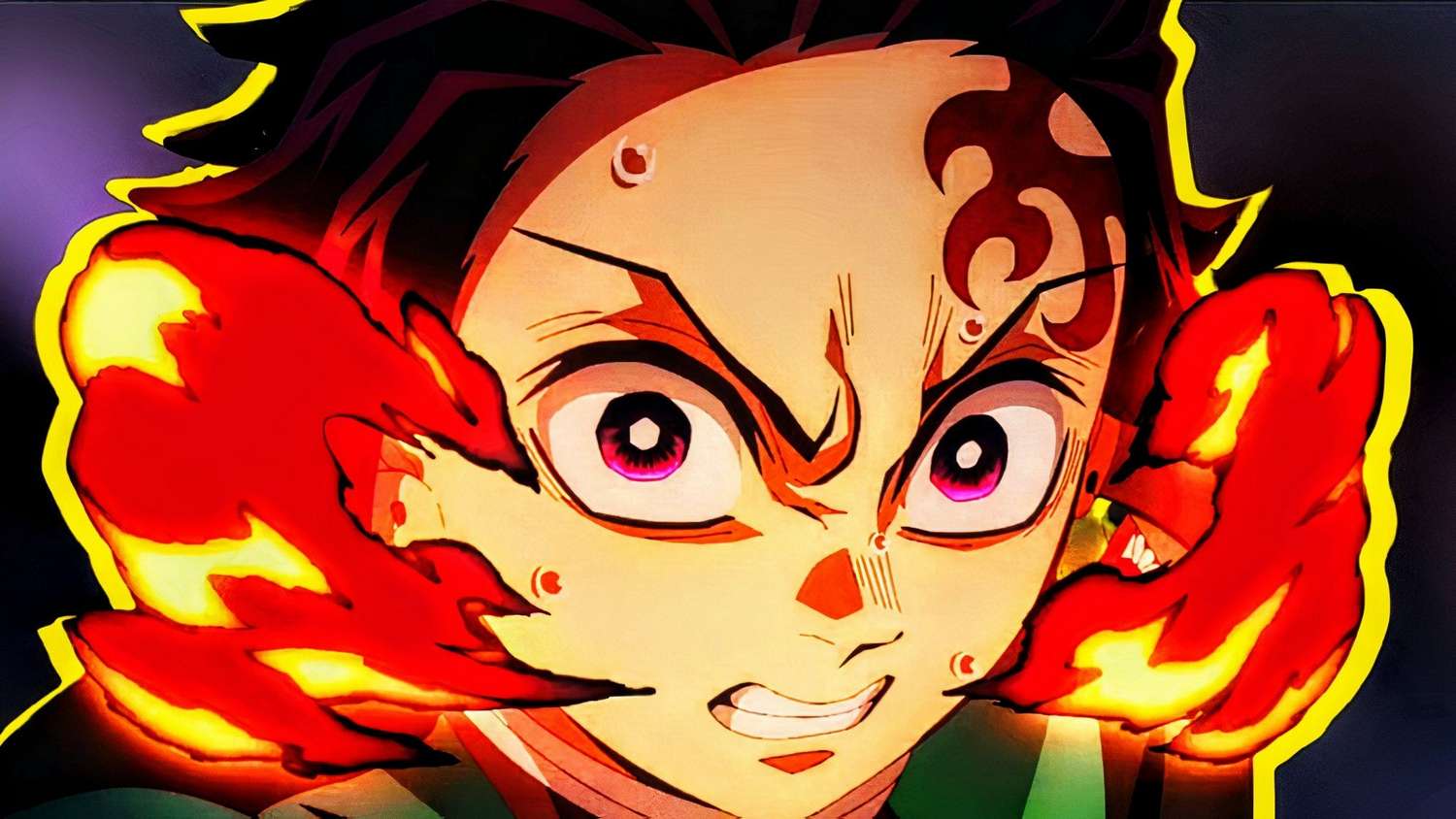
The Enduring Question: Tanjiro’s Place Among the Pillars
Demon Slayer: Kimetsu no Yaiba has cemented its place as a global phenomenon, captivating millions with its poignant storytelling, breathtaking animation, and memorable characters. Among its pantheon of heroes, Tanjiro Kamado stands as the resolute protagonist whose unwavering determination and compassionate spirit define the series. Yet, a persistent question has echoed through the fandom since the manga’s conclusion: why did Tanjiro, despite his extraordinary power, unparalleled growth, and instrumental role in defeating Muzan Kibutsuji, never officially become a Hashira? Recent insights, attributed to the enigmatic creator Koyoharu Gotouge, shed light on the deliberate narrative choices behind this pivotal aspect of Tanjiro’s journey, offering a deeper understanding of the series’ core themes and the ultimate fate of the Demon Slayer Corps.
Understanding Gotouge’s perspective is crucial for any dedicated fan seeking to fully grasp the nuances of the Demon Slayer universe. This revelation not only clarifies Tanjiro’s character arc but also underscores the profound message woven into the fabric of the story, emphasizing ideals beyond mere rank and power. It’s a testament to the intricate planning that goes into crafting a world-renowned fantasy epic, where every detail, even a perceived omission, serves a higher narrative purpose. For fans and critics alike, this information provides valuable context for discussing Demon Slayer character development and the true meaning of heroism within its rich lore.
The Weight of the Hashira Title: A Burden and a Benchmark
To fully appreciate the significance of Tanjiro’s non-Hashira status, one must first comprehend the immense weight and responsibility associated with the title. The Hashira, the highest-ranking and most skilled swordsmen in the Demon Slayer Corps, are the pillars supporting humanity against the demonic threat. Each Hashira embodies a specific breathing style, honed to absolute perfection, and possesses combat prowess far exceeding that of lesser demon slayers. Their mission is relentless: to protect the innocent, confront the Twelve Kizuki, and ultimately, eliminate Muzan. Becoming a Hashira requires extraordinary skill, courage, and an undeniable track record of defeating Upper Rank demons or saving countless lives, often through years of brutal training and harrowing battles.
Historically, the path to becoming a Hashira is fraught with peril, demanding immense personal sacrifice. Their status comes with considerable authority, tactical responsibilities, and a near-legendary reputation within the Corps. For many demon slayers, ascending to the rank of Hashira represents the ultimate pinnacle of their careers and a deep commitment to the cause. Therefore, for a character like Tanjiro, who eventually surpasses many Hashira in terms of raw power and directly contributes to Muzan’s demise, his exclusion from this elite group sparked considerable debate and speculation among the Demon Slayer fandom. The narrative choice to keep him outside this formal structure is a key element in understanding Demon Slayer’s ending explained and its lasting impact.
Gotouge’s Insights: Unpacking the Author’s Perspective on Tanjiro’s Path
According to circulating information, attributed to author Koyoharu Gotouge, several compelling reasons underpinned the decision to keep Tanjiro from officially becoming a Hashira. These reasons delve deep into the thematic heart of Demon Slayer’s narrative choices and reinforce the unique nature of Tanjiro’s journey. One primary factor cited is the swift and decisive conclusion of the Demon Slayer Corps’ operations. Following the arduous battle against Muzan and the subsequent eradication of all demons, the Corps, having fulfilled its purpose, was disbanded. The very infrastructure that would appoint and maintain Hashira ceased to exist shortly after the final conflict. There was simply no longer a formal institution to grant such a rank, rendering the title moot in the post-Muzan era. This pragmatic decision aligns with the series’ direct and often bittersweet approach to closure.
Furthermore, Gotouge reportedly emphasized Tanjiro’s distinctive role as a catalyst for change rather than a traditional pillar of an existing structure. Tanjiro’s personal mission was singularly focused: to turn his sister, Nezuko, back into a human and to avenge his family. His motivations, while aligning with the Corps’ goals, were deeply personal and driven by familial love, not solely institutional duty. His unique connection to both human and demon worlds, combined with his mastery of Sun Breathing – the original, ultimate breathing style – set him apart. His path was destined to transcend the established hierarchy. He was not meant to *fit into* a system but rather to *conclude* it. This aspect highlights Tanjiro Kamado character analysis and his unique heroism.
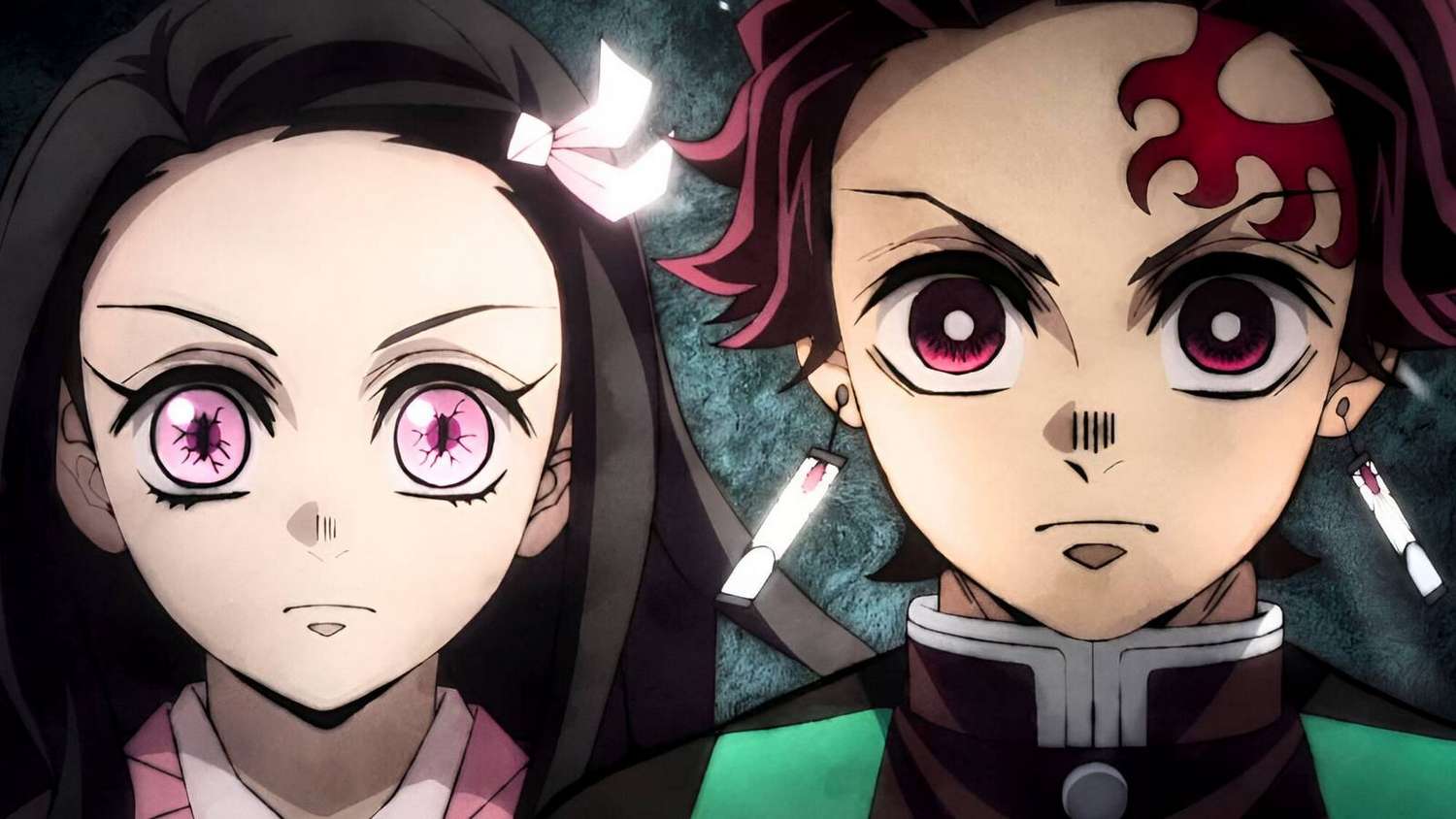
Another significant factor, often speculated by fans, pertains to Tanjiro’s physical well-being. The brutal, unforgiving nature of his final battles left him with severe and lasting injuries, particularly to his arm and eye. While he recovered to a degree, the physical toll would likely have precluded him from meeting the rigorous physical demands consistently expected of a Hashira. The position requires peak physical condition and readiness for perpetual combat, a standard that, post-Muzan, Tanjiro might not have been able to sustain without further compromising his health. This adds a layer of realistic consequence to the otherwise fantastical battles, making the characters’ struggles more palpable and relatable. It underscores the high cost of victory in the Demon Slayer franchise.
Finally, there’s a powerful thematic element. Tanjiro’s strength was never solely defined by his combat prowess or a hierarchical rank. His true power lay in his unparalleled empathy, his ability to understand and forgive, even demons, and his unwavering resolve to protect. Elevating him to a Hashira position might have inadvertently diminished this core aspect of his character, forcing him into a mould that wasn’t entirely his. His legacy is not tied to a title but to the profound impact he had on every character he encountered and, most importantly, on ending the millennia-long reign of terror by demons. This choice reinforces the idea that true heroism transcends formal recognition.
Beyond the Rank: Tanjiro’s True Legacy and Impact
Even without the official Hashira designation, Tanjiro Kamado’s legacy within the Demon Slayer narrative is undeniable and, in many ways, far surpasses the achievements of many who bore the title. He was the one who consistently pushed boundaries, developed the Hinokami Kagura to its full potential, and crucially, was the only one who could truly stand against Muzan in his final, most terrifying forms. His influence extended to revitalizing the Corps’ spirit, forging deep bonds with existing Hashira, and inspiring his peers.
Consider his impact:
- He awakened Sun Breathing: The ultimate breathing style, crucial for defeating Muzan, was revived through Tanjiro’s lineage and mastery. This was a contribution no other demon slayer could replicate.
- He united the Corps: His unwavering optimism and compassionate nature often brought together disparate personalities within the Corps, fostering greater teamwork and morale.
- He saved Nezuko: His personal mission was fulfilled, demonstrating a love and determination that underscored the series’ emotional core.
- He defeated Muzan: Collaborating with the remaining Hashira, he delivered the final, decisive blows, culminating in the end of the demon era. This singular achievement eclipses any individual Hashira’s record against the Twelve Kizuki.
Tanjiro’s story is a profound exploration of personal growth, resilience, and the power of compassion. His true ‘rank’ is that of the hero who saved the world, a title far grander than any internal military designation. The narrative strategically positions him as the ultimate agent of change, operating sometimes within, but often beyond, the established norms of the Demon Slayer Corps. This is a central theme in many popular anime series where protagonists forge their own path.
The Fan Community and Enduring Discussions
The discussion around Tanjiro’s Hashira status has been a vibrant part of the Demon Slayer fan theories and community engagement since the manga concluded. While some fans initially felt a sense of incompleteness regarding his rank, Gotouge’s implied reasoning provides a satisfying and logical explanation that enhances the series’ integrity. This clarity helps to quell lingering questions and allows fans to appreciate the subtle layers of storytelling. It also highlights how authors carefully craft character arcs, sometimes defying conventional expectations to serve a deeper thematic purpose.
The enduring popularity of Demon Slayer anime and its upcoming adaptations continues to fuel these discussions, making such authorial insights invaluable. Whether through official interviews, supplementary materials, or fan speculation that later proves accurate, understanding the creator’s vision enriches the viewing and reading experience for everyone invested in the fate of the Demon Slayer characters. The conversation around Demon Slayer narrative choices underscores the thoughtful construction of this modern classic.
Conclusion: A Hero Beyond Titles
Koyoharu Gotouge’s insights into why Tanjiro Kamado never formally became a Hashira serve as a powerful affirmation of the series’ thematic depth. It was not an oversight but a deliberate, multi-faceted decision rooted in the practical dissolution of the Demon Slayer Corps, Tanjiro’s unique and personal mission, his severe physical sacrifices, and the overarching message that heroism transcends mere titles and ranks. Tanjiro’s journey was never about accumulating accolades but about fulfilling a deeply personal quest, driven by love and an unwavering moral compass. He rose above the need for a hierarchical designation, becoming something far more significant: the catalyst for a world free from demon terror.
His legacy is etched not in the records of the Hashira, but in the peace he helped secure, the lives he saved, and the empathy he championed. This understanding offers valuable insight into anime character development and solidifies Demon Slayer’s status as a narrative masterpiece that prioritizes impactful storytelling over conventional hero tropes. For those seeking to invest in the rich lore, such revelations provide a satisfying closure and a deeper appreciation for one of the most beloved manga series of our time.