
Black Ops 7 Crisis: Call of Duty Hits Record Lows in User and Critic Ratings, Sparks Franchise Alarm










Popular Now
 Counter-Strike 2
 Free Fire
 R.E.P.O
 League of Legends
 Fall Guys
 Call of Duty
 Valorant
 Rust
Rust
 Grand Theft Auto V
 Auto X Drift Racing 3
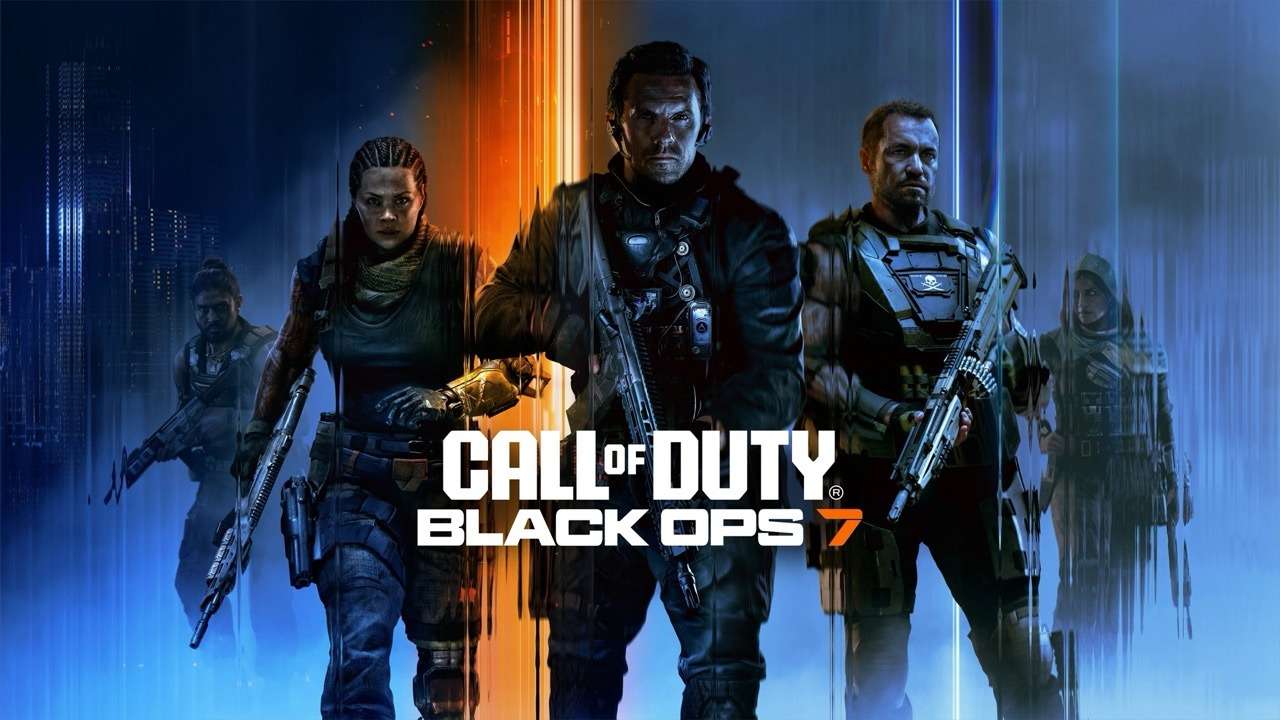
The highly anticipated release of Black Ops 7 has taken a catastrophic turn, as the latest installment in the iconic Call of Duty franchise now officially stands as the lowest-rated game in the series’ history. Both user aggregated scores and professional critic reviews paint a bleak picture, signaling an unprecedented crisis for Activision Blizzard and the venerable first-person shooter titan. This dismal reception has sent shockwaves through the gaming industry, raising critical questions about the future trajectory of one of entertainment’s most valuable properties. The collective disappointment from the player community and review outlets underscores a significant disconnect between developer ambition and execution, leaving many to wonder if this marks a turning point for the long-running series.
The User Score Catastrophe: Players Speak Out
The most immediate and damning indictment of Black Ops 7 comes from its user score aggregates, where it has plummeted to an all-time low. Platforms tracking player sentiment reveal a groundswell of negative feedback, with gamers expressing widespread frustration across multiple fronts. Key complaints frequently highlighted in user reviews include:
- Technical Instability: A pervasive issue, players report an abundance of bugs, frequent crashes, and server connectivity problems that severely hamper the core online multiplayer experience. These technical shortcomings often lead to abrupt disconnections and an overall feeling of an unfinished product, a critical flaw for any modern AAA title.
- Lack of Innovation and Content Stagnation: Many users feel that Black Ops 7 offers little in the way of novel gameplay mechanics or substantial new content, describing the experience as a rehash of previous iterations. The perceived absence of fresh ideas, particularly in the campaign mode and core multiplayer offerings, has led to accusations of creative fatigue within the development team.
- Predatory Monetization Practices: Concerns over an aggressive monetization strategy, including expensive cosmetic bundles, pay-to-win elements (or elements perceived as such), and battle pass progression systems, have significantly alienated a substantial portion of the player base. The feeling that the game prioritizes revenue generation over delivering a complete, value-driven experience is a recurring theme.
- Poor Map Design and Weapon Balancing: Specific grievances often center on unbalanced weapon meta, frustrating map layouts that hinder strategic gameplay, and a general lack of polish in core gameplay loops. This impacts the competitive integrity and long-term appeal for dedicated players.
These collective grievances highlight a deeply unsatisfied player experience, directly translating into the record-low user score that reflects a significant erosion of trust and goodwill built over decades.
 Critics Echo Concerns, Despite Nuance
 Critics Echo Concerns, Despite Nuance
While often more tempered than user scores, professional critic reviews for Black Ops 7 largely corroborate the sentiment of disappointment. Review outlets, typically focusing on technical performance, narrative quality, gameplay mechanics, and overall value proposition, have struggled to find redeeming qualities that outweigh the title’s significant flaws. Critics have frequently pointed to:
- Uninspired Campaign Narrative: Many reviews criticize the single-player campaign for its generic storyline, predictable character arcs, and a general lack of emotional resonance. For a series often lauded for its engaging narratives, this shortfall is particularly glaring.
- Repetitive Multiplayer Formula: Despite some minor tweaks, the multiplayer component is often described as feeling iterative rather than revolutionary. Critics note a failure to evolve key aspects of gameplay, contributing to a sense of déjà vu for long-time fans.
- Performance Issues Across Platforms: Even on high-end hardware, numerous technical hitches and inconsistent performance have been cited, undermining the immersion and enjoyment. This indicates a potential rush to market or insufficient optimization during the game development cycle.
- Value Proposition Concerns: With a premium price tag, critics question whether the amount and quality of content delivered justifies the cost, especially when factoring in the pervasive microtransactions and seasonal content models. The overall game performance simply doesn’t meet the expected standards for a franchise of this magnitude.
The critic consensus, while not always as vehemently negative as user reviews, still places Black Ops 7 firmly at the bottom tier of Call of Duty games, reinforcing the widespread belief that the franchise is in dire need of a significant re-evaluation.
Decoding the Disappointment: Core Issues Identified
The core reasons for Black Ops 7’s unprecedented failure are multifaceted. The industry has observed a pattern of issues that frequently plague major releases, and many of these appear to converge in this title. One major factor could be an increasingly aggressive annual release schedule that potentially strains development teams, leading to rushed products. The pressure to innovate while simultaneously catering to a massive, diverse player base presents an enormous challenge. Furthermore, the persistent push for live-service elements and monetized content, sometimes at the expense of core gameplay integrity, has been a growing concern across the gaming industry trends. For Black Ops 7, this confluence of factors seems to have reached a critical mass, resulting in a product that feels both unpolished and creatively stagnant, directly impacting its developer reputation and the overall brand image.
The Broader Impact on the Call of Duty Franchise and Activision
The record-low ratings for Black Ops 7 carry significant implications for the entire Call of Duty franchise and its parent company, Activision Blizzard. Beyond the immediate hit to sales figures and quarterly earnings, the long-term consequences could be more severe. A decline in player retention and dwindling community engagement could erode the franchise’s dominant market position in the highly competitive shooter genre. Competitors are constantly vying for market share, and a misstep of this magnitude provides an opening for rival titles to gain traction. Investor confidence, particularly in the wake of recent corporate acquisitions and restructuring, is also at risk, with the performance of flagship titles being a key indicator of the company’s health. Activision faces the monumental task of rebuilding trust with its dedicated fanbase and demonstrating a renewed commitment to quality over quantity.
What Lies Ahead for Black Ops?
In response to the overwhelming negative feedback, the developer faces a steep uphill battle. Immediate actions are likely to include aggressive post-launch support through extensive patch updates addressing critical bugs, performance issues, and weapon balancing. A more transparent dialogue with the community feedback channels will be crucial to understand and address player frustrations effectively. Looking further ahead, the long-term strategy for the Black Ops sub-series and indeed the entire Call of Duty brand will require a thorough reassessment. This could involve extending development cycles for future titles, prioritizing innovation, re-evaluating monetization strategies, and potentially even restructuring development teams to foster a greater focus on quality and player-centric design. The immense financial investment in the franchise demands a robust plan for recovery.
 Conclusion: A Steep Hill to Climb
 Conclusion: A Steep Hill to Climb
The release of Black Ops 7 marks a sobering chapter in the history of the Call of Duty franchise. Its unprecedented low user and critic scores serve as a stark warning sign for Activision Blizzard and the broader gaming industry. This isn’t merely a poor launch; it represents a significant decline in quality that has alienated millions of players and tarnished the reputation of a once-unassailable gaming giant. The road to recovery will be arduous, requiring genuine introspection, substantial corrective action, and a renewed commitment to delivering the high-quality, engaging experiences that gamers have come to expect. The future of Call of Duty, a cornerstone of modern gaming, hangs precariously in the balance, facing one of its greatest challenges yet.