
Call of Duty’s Black Ops Identity Crisis: Has the Franchise Lost Its Soul?










Popular Now
 Grand Theft Auto V
 Auto X Drift Racing 3
 PUBG Mobile
 Call of Duty
 Genshin Impact
 God of War Ragnarök
 Valorant
Gacha Club
Valorant
Gacha Club
 Warframe
 Brawl Stars
The Call of Duty Black Ops series, once synonymous with gritty Cold War espionage, psychological warfare, and morally ambiguous narratives, appears to be grappling with a profound identity crisis. What began as a groundbreaking sub-franchise from developer Treyarch, famous for its intricate storytelling and unique atmosphere, now seems to have drifted from its foundational principles. As the gaming industry witnesses rapid shifts and increased competition, the question looms large: has Call of Duty truly forgotten what ‘Black Ops’ once stood for?
Originally, the ‘Black Ops’ moniker evoked a sense of clandestine operations, deep cover, and the unsettling psychological toll of war. The inaugural Call of Duty: Black Ops, released in 2010, immersed players in a compelling narrative set during the Cold War. It masterfully wove together historical events with a gripping fictional plot, centered around protagonist Alex Mason and his fractured memories. The game’s campaign was a benchmark for storytelling in first-person shooters, delving into themes of propaganda, brainwashing, and personal trauma. It was a psychological thriller wrapped in a high-octane shooter, distinguishing itself from its contemporaries with an unparalleled narrative depth and a profound sense of paranoia. This was not just about shooting; it was about understanding the fractured mind of a soldier caught in a global conspiracy. The multiplayer, while robust, felt like an extension of this serious, grounded world, albeit with its own flair.
The Original Vision: A Deep Dive into Espionage and Moral Ambiguity
The core appeal of early Treyarch games under the Black Ops banner stemmed from their commitment to a specific aesthetic and thematic approach. Black Ops I and Black Ops II both offered campaigns that dared to be different. Black Ops II, in particular, introduced branching storylines and player choices that genuinely impacted the outcome, a rarity in the FPS genre at the time. Its narrative explored the consequences of drone warfare and geopolitical tensions in both past and near-future settings, maintaining a thoughtful edge while delivering explosive action. This era cemented ‘Black Ops’ as the intellectual counterpart to Modern Warfare’s more conventional military spectacle. Players were captivated by the shadowy world of spymasters, double-crosses, and the uncomfortable truths of covert operations. The focus was on immersive storytelling and character development that extended beyond typical war narratives, leaving players with questions long after the credits rolled. This approach not only garnered critical acclaim but also cultivated a fiercely loyal fanbase who appreciated the distinct flavor of Black Ops.
 Evolution or Dilution? The Shifting Landscape of Modern Call of Duty
 Evolution or Dilution? The Shifting Landscape of Modern Call of Duty
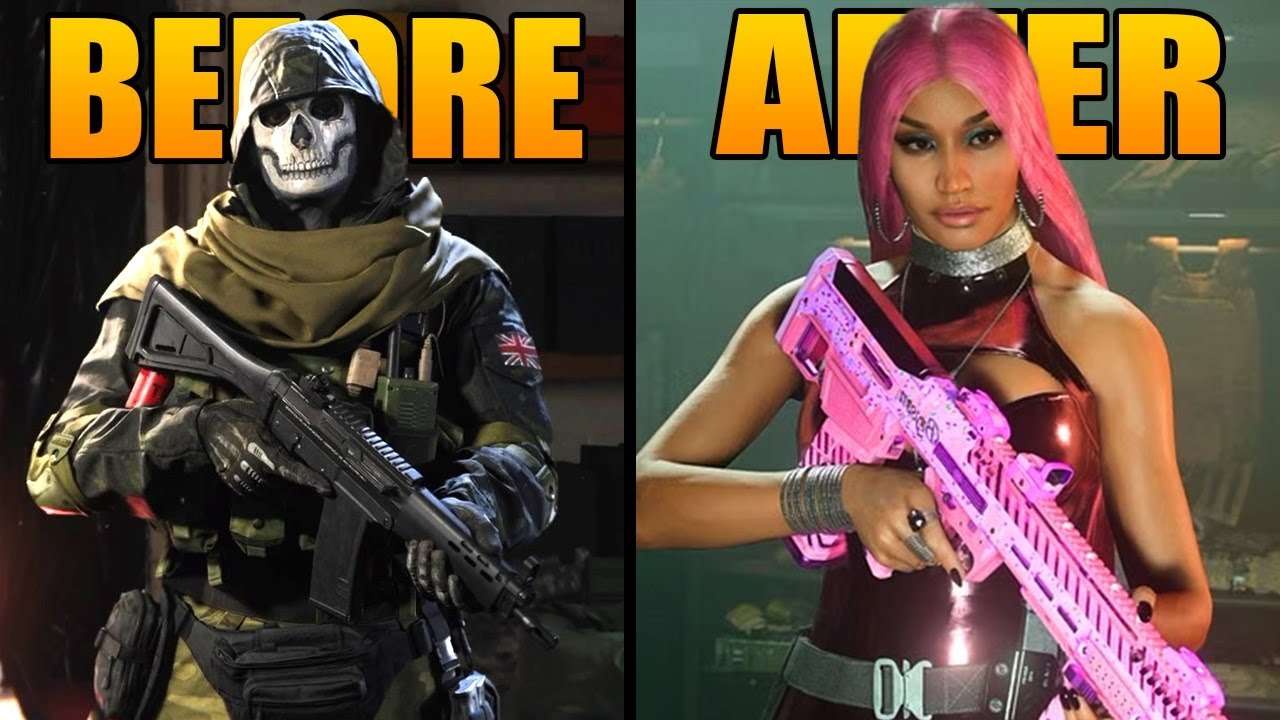
However, as the Call of Duty franchise evolved, so did the Black Ops sub-series. The shift became notably apparent with Black Ops III, which catapulted the timeline into a distant future, introducing super-soldiers, cybernetics, and a highly complex, often confusing, narrative that veered sharply away from the Cold War origins. While ambitious, many fans felt it lost the grounded, gritty feel that defined its predecessors. The emphasis seemed to pivot more towards fast-paced, vertical multiplayer movement systems and a heavier reliance on futuristic gadgets, arguably sacrificing narrative cohesion for gameplay innovation.
Black Ops 4 then took an even more radical step, completely omitting a traditional single-player campaign in favor of a battle royale mode (Blackout), multiplayer, and Zombies. This decision, while popular with a segment of the audience keen on the burgeoning battle royale trend, alienated many long-time fans who cherished the series’ campaign mode. It marked a significant departure from the established identity, transforming Black Ops from a narrative-driven experience into a purely multiplayer-focused endeavor. This move sparked considerable debate within the gaming community, raising questions about the future direction of the franchise and whether it was prioritizing broad appeal and monetization strategies over its unique heritage.
Critiquing the Current State: Missing the Mark?
Even with Call of Duty: Black Ops Cold War, which attempted a return to the series’ roots with a Cold War setting, the execution felt different. While praised for its engaging campaign missions and return to certain narrative elements, some critics and players found it lacked the same profound psychological depth and unsettling atmosphere of the original. The branching choices were present but arguably less impactful, and the overall narrative, while enjoyable, didn’t quite capture the same level of existential dread or character-driven intensity that defined the first two entries. The multiplayer, while solid, largely conformed to the established Call of Duty formula, rather than pushing unique Black Ops-specific innovations. This illustrates a broader trend in the gaming industry trends where established franchises often struggle to innovate while maintaining their core identity amidst pressures for yearly releases and consistent revenue streams.
The business realities of a yearly release cycle for a massive franchise like Call of Duty often dictate certain design choices. The need to appeal to a vast, diverse audience, coupled with the immense financial stakes, can lead to design philosophies that prioritize accessibility and proven mechanics over bold narrative risks or niche thematic explorations. This can result in a dilution of specific sub-franchise identities, as elements are homogenized to ensure wider appeal. The original ‘Black Ops’ stood out precisely because it was willing to embrace a darker, more complex tone and narrative. Modern iterations, while commercially successful, often appear to trade that distinctiveness for broader market penetration, a common dilemma faced by many long-running series in the high-stakes world of modern gaming.
 Reclaiming the Legacy: A Path Forward?
 Reclaiming the Legacy: A Path Forward?
For the Black Ops brand to truly reclaim its legacy, a deliberate and concerted effort to reconnect with its foundational principles is essential. This doesn’t necessarily mean a direct carbon copy of older games, but rather an embrace of the spirit that made them great. Future Treyarch Black Ops titles could benefit from:
- Deep, Character-Driven Narratives: Prioritizing a campaign with significant psychological depth, moral dilemmas, and a compelling, well-written story that takes risks.
- Unique Thematic Exploration: Leaning into specific eras or sub-genres (e.g., Cold War espionage, cyber warfare ethics) with a clear, consistent vision, rather than generic futurism or standard military conflicts.
- Atmospheric Immersion: Recreating the unsettling, paranoid atmosphere that defined the original Black Ops, using sound design, environmental storytelling, and character interactions to build tension.
- Innovative Gameplay Integration: Ensuring that multiplayer and Zombies modes, while excellent in their own right, feel thematically linked to the Black Ops identity, perhaps through unique gadgets, operator backstories, or narrative tie-ins.
The Call of Duty Black Ops series has a rich history of pushing boundaries, particularly in its storytelling. To say it has forgotten what ‘Black Ops’ meant might be harsh, but it’s clear the identity has evolved, and not always in a way that resonated with its most ardent fans. As the franchise looks to its future, a critical self-reflection on its roots — the clandestine, the psychological, the morally gray — could be the key to revitalizing a brand that once defined excellence in narrative-driven first-person shooters. Re-establishing that distinctive voice in a crowded market would not only honor its past but also set a new benchmark for what a modern game review Call of Duty title can achieve, ensuring high engagement and cementing its position as a top contender in the ongoing FPS debate for immersive experiences and captivating storylines.