
Final Fantasy 16 on PS5: Unpacking the Performance Paradox of a PlayStation Exclusive










Popular Now
 Brawl Stars
 Gacha Club
 Grand Theft Auto V
Valorant
Grand Theft Auto V
Valorant
 Auto X Drift Racing 3
 Minecraft
 Poppy Playtime
 Counter-Strike 2
 Among Us
PUBG Mobile
Among Us
PUBG Mobile 
When Square Enix announced Final Fantasy XVI as a PlayStation 5 exclusive, anticipation reached fever pitch. Gamers expected a new benchmark for narrative depth, combat innovation, and, critically, technical excellence on Sony’s latest hardware. Yet, the launch of FFXVI unveiled a more complex reality, a ‘messy truth’ where groundbreaking artistic vision clashed with undeniable technical shortcomings. This article delves into the intricate performance landscape of Final Fantasy 16 on the PS5, scrutinizing the factors that have shaped its reception and asking what this means for future AAA console exclusives.
The Weight of Expectation: PS5 Exclusivity and High Stakes
The decision to make Final Fantasy XVI a PS5 exclusive for an initial six-month period was a strategic move designed to bolster the console’s appeal and showcase its capabilities. Such exclusivity deals inherently place immense pressure on the developing studio, Square Enix, to deliver a product that justifies its premium console status. Players, having invested in the latest generation console, anticipated a seamless, high-fidelity experience – a true showpiece that fully leveraged the PS5’s power. This expectation, largely set by the very nature of a console exclusive, became a crucial lens through which the game’s performance was judged.
Technical Realities: Performance Mode vs. Quality Mode
From day one, Final Fantasy 16’s performance became a central point of discussion. The game offers two primary display modes: ‘Quality Mode’ and ‘Performance Mode.’
- Quality Mode: Targets a native 1440p resolution, often scaling up to 4K via checkerboarding, while aiming for a 30 frames per second (FPS) target. While visually stunning, this mode was not immune to dips, especially during graphically intensive sequences and boss battles.
- Performance Mode: Attempts to achieve a 60 FPS target, but with a significant compromise in resolution, often dipping below 1080p dynamically. The promise of smoother gameplay in this mode was frequently undermined by substantial and noticeable frame rate drops, sometimes plummeting into the 40s or even upper 30s during combat and exploration. This inconsistency proved jarring for many players, disrupting the fluidity expected from an action-oriented RPG.
These fluctuations, particularly in Performance Mode, led to widespread frustration. In a title where precise timing and fluid movement are crucial to combat, an inconsistent frame rate can significantly detract from the gameplay experience. This technical scrutiny highlighted a perceived lack of optimization, raising questions about the game’s readiness at launch, particularly given its status as a flagship title.
Patches and Progress: Addressing the Frame Rate Fiasco
In response to widespread player feedback, Square Enix released Patch 1.03 (and subsequent minor updates), specifically targeting performance improvements. The patch aimed to stabilize frame rates, particularly in Performance Mode, and address issues like motion blur and camera sensitivity. While these updates offered some noticeable improvements, largely by reducing the severity of the most egregious frame rate drops, they did not entirely resolve the underlying inconsistencies. Performance Mode, while better, still struggles to maintain a locked 60 FPS in many scenarios, continuing to be a point of contention for those seeking a truly fluid experience. This ongoing dialogue between developer and player underscores the dynamic nature of game optimization in the current generation.
 Graphical Fidelity and Art Direction: A Double-Edged Sword
 Graphical Fidelity and Art Direction: A Double-Edged Sword
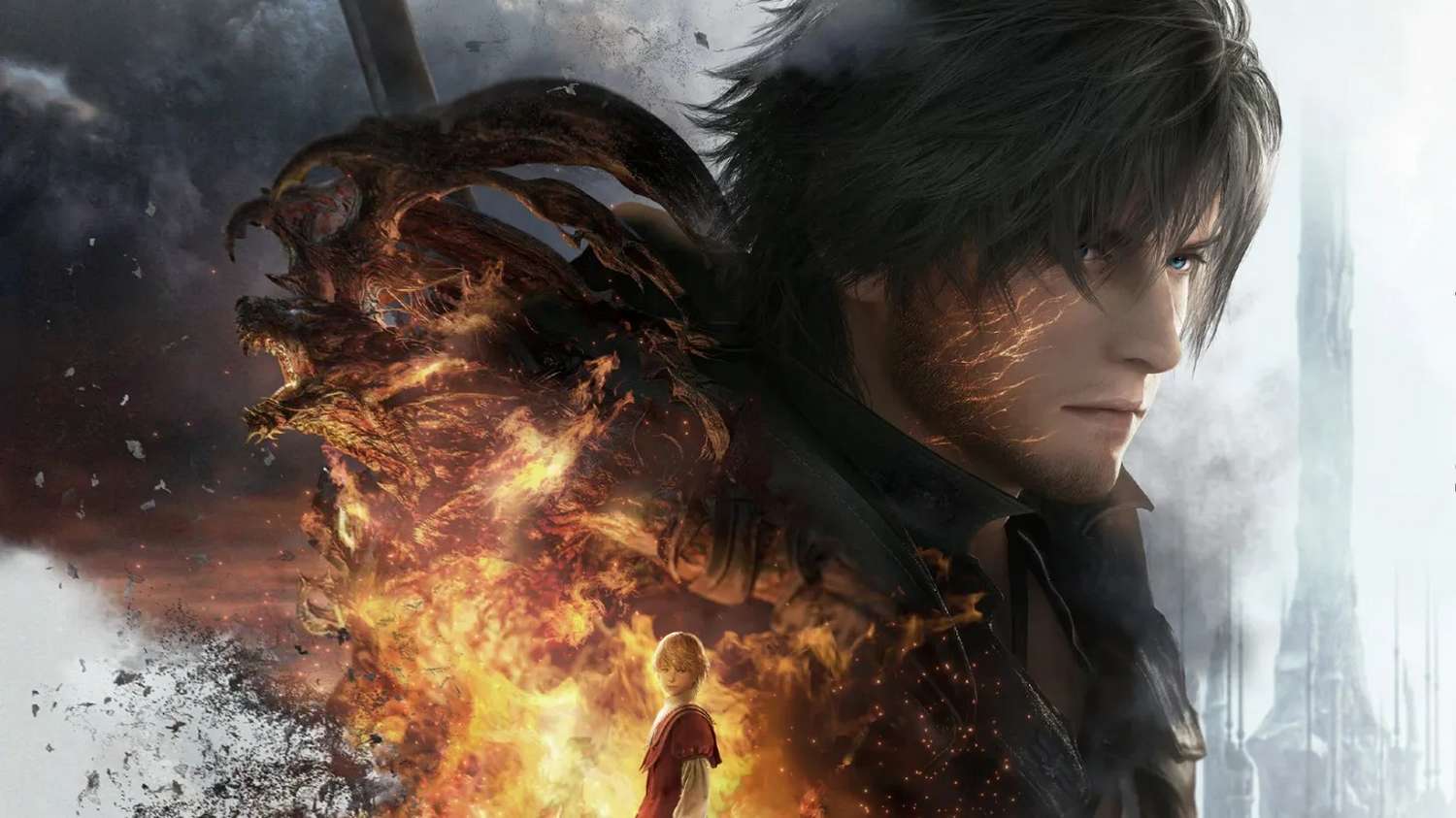
Despite the performance challenges, Final Fantasy 16 is undeniably a visual spectacle. Its art direction, character models, particle effects, and environmental designs are often breathtaking. The game pushes the boundaries of graphical fidelity, particularly in its Eikon battles, which are cinematic masterpieces. However, this visual ambition may also be a contributing factor to its performance woes. The sheer detail and scale of the world, combined with dynamic lighting and complex combat encounters, likely taxed the PS5 hardware more than anticipated. Balancing cutting-edge visuals with consistent performance remains one of the most significant challenges for developers of current-generation AAA titles.
The RPG Elements and Pacing Debate
Beyond the technical aspects, Final Fantasy XVI’s design choices also ignited considerable debate among fans and critics. While the shift towards a more action-oriented combat system, spearheaded by Devil May Cry veteran Ryota Suzuki, was largely praised for its visceral feel and depth, some long-time fans expressed disappointment over the perceived streamlining of traditional RPG elements. The progression system, quest structure, and limited party customization were points of contention, leading to discussions about whether the game fully embraced its RPG roots or leaned too heavily into action. The narrative’s pacing, especially in the early hours and certain side quests, also drew mixed reactions, with some finding it slow and others appreciating its deliberate world-building.
Sales and Critical Reception: A Nuanced Success
Despite the technical debates, Final Fantasy 16 achieved robust sales figures, moving over 3 million units globally within its first week. Critically, the game garnered high praise for its mature storytelling, unforgettable characters, epic Eikon battles, and compelling world-building. Reviewers frequently highlighted its narrative bravery and exceptional musical score. This dichotomy – critical acclaim for its artistic merits juxtaposed with widespread discussion about its technical execution – paints a picture of a game that is undeniably impactful but also flawed.
The Broader Implications for Console Exclusives and Game Development
The journey of Final Fantasy XVI on the PS5 serves as a crucial case study for the current console generation. It highlights the immense pressure on developers to deliver visually stunning and technically polished experiences on increasingly complex hardware. The ‘messy truth’ of FFXVI is that even with a dedicated team, extensive resources, and console exclusivity, achieving perfect optimization at launch remains an elusive goal for even the most anticipated AAA titles. This experience will likely influence future development strategies, potentially leading to more cautious release schedules, greater emphasis on performance transparency, and perhaps even a re-evaluation of the costs and benefits of console exclusivity deals.
 Conclusion: A Flawed Masterpiece Still Worth Playing
 Conclusion: A Flawed Masterpiece Still Worth Playing
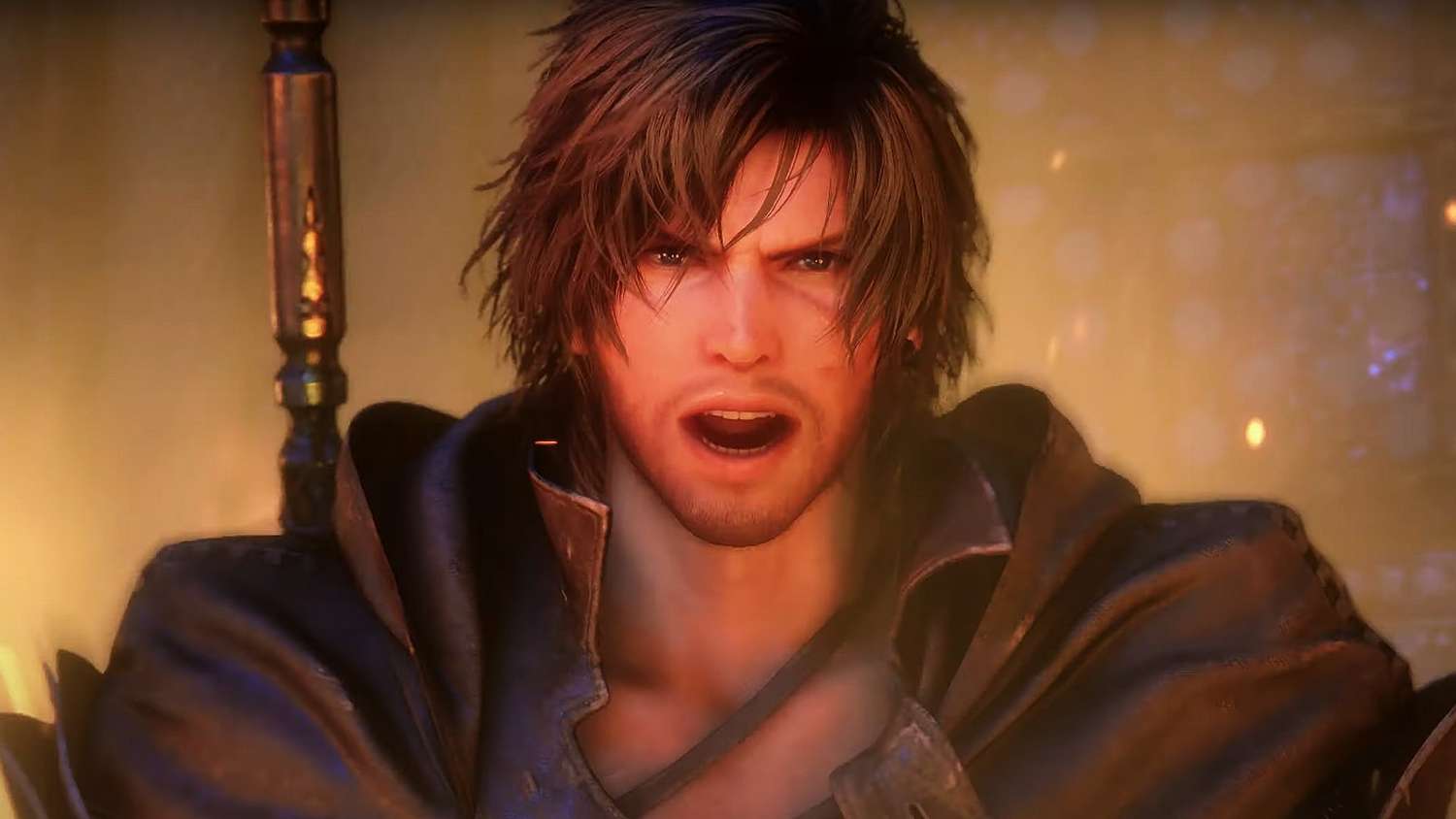
Final Fantasy XVI is a paradox: a magnificent, ambitious title that pushes narrative and artistic boundaries, yet simultaneously struggles with fundamental performance consistency on the hardware it was exclusively designed for. Its ‘messy truth’ is not one of outright failure, but rather of unfulfilled technical potential that somewhat tarnishes an otherwise brilliant experience. For those willing to overlook its frame rate inconsistencies, particularly in Performance Mode, the game offers an unparalleled epic narrative, engaging combat, and a richly realized world. It remains a testament to Square Enix’s storytelling prowess, but also a stark reminder of the ever-present challenges in balancing ambitious vision with technical reality in the demanding landscape of modern video game development.