
Unlocking Unprecedented Creativity: Animal Crossing: New Horizons’ Best 3.0 Feature Isn’t What You Think










Popular Now
 R.E.P.O
Genshin Impact
R.E.P.O
Genshin Impact
 Sonic the Hedgehog™ Classic
 Fortnite
Stumble Guys
Fortnite
Stumble Guys
 Poppy Playtime
 Among Us
 Auto X Drift Racing 3
 Free Fire
 Free Fire Max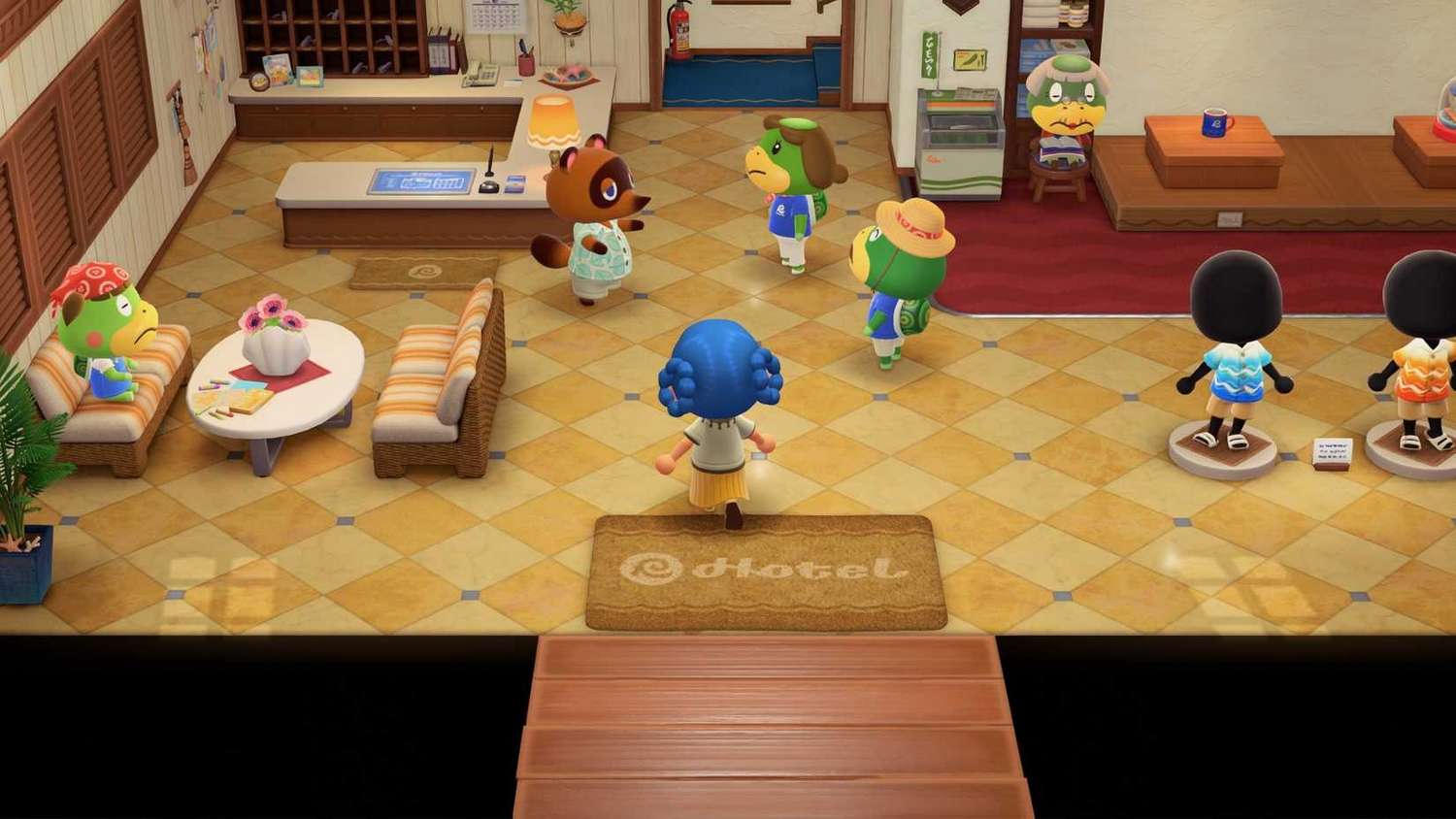
Unlocking Unprecedented Creativity: Animal Crossing: New Horizons’ Best 3.0 Feature Isn’t What You Think
When Nintendo unveiled the comprehensive 2.0 update for Animal Crossing: New Horizons in late 2021 – an update many players colloquially refer to as its ‘3.0’ iteration due to its transformative scope – the community was abuzz with excitement. Headlines screamed about the return of beloved characters like Brewster and his cozy café, The Roost. Players eagerly anticipated the expansion of Harv’s Island, a plethora of new cooking recipes, and the introduction of gyroids. These additions undeniably injected fresh life into the cherished Nintendo Switch title, offering new avenues for social interaction and daily engagement. However, amidst the fanfare for these prominent features, a quieter, yet profoundly impactful, addition emerged as the true game-changer for dedicated virtual architects: the Pro Decorating License.
The Hype Was Real, But What Truly Endures Beyond the Obvious?
For months leading up to the 2.0 update, player wishlists for Animal Crossing: New Horizons were dominated by desires for more content, deeper gameplay mechanics, and quality-of-life improvements. The arrival of Brewster’s coffee shop provided a much-needed social hub, fostering connections with villagers and offering a moment of tranquility. The expanded Harv’s Island breathed new life into photography and allowed for unique shopping experiences with visiting vendors, diversifying the daily grind. Cooking added a layer of practical crafting, linking directly to the new farming mechanics and expanding the furniture catalog with delectable new items. These elements were celebrated, and rightfully so, as significant enhancements to the core simulation game experience. Yet, their impact, while immediate and enjoyable, tended to plateau for many once the novelty wore off.
Beyond the Obvious: Unveiling the Pro Decorating License
The Pro Decorating License, an upgrade acquired through Nook Miles, was a feature that lacked the immediate charismatic appeal of a new NPC or the obvious utility of expanded inventory storage. It wasn’t a headline grabber, yet it quietly provided players with an unprecedented toolkit for interior design. This license, clearly inspired by the foundational design mechanics introduced in the Happy Home Paradise paid DLC, allowed players to do two crucial things within their own homes:
- Add Accent Walls: The ability to designate a single wall within a room to have a different wallpaper than the others transformed interior decorating. No longer were players constrained by a uniform aesthetic; now, they could create focal points, delineate spaces, and add depth previously impossible.
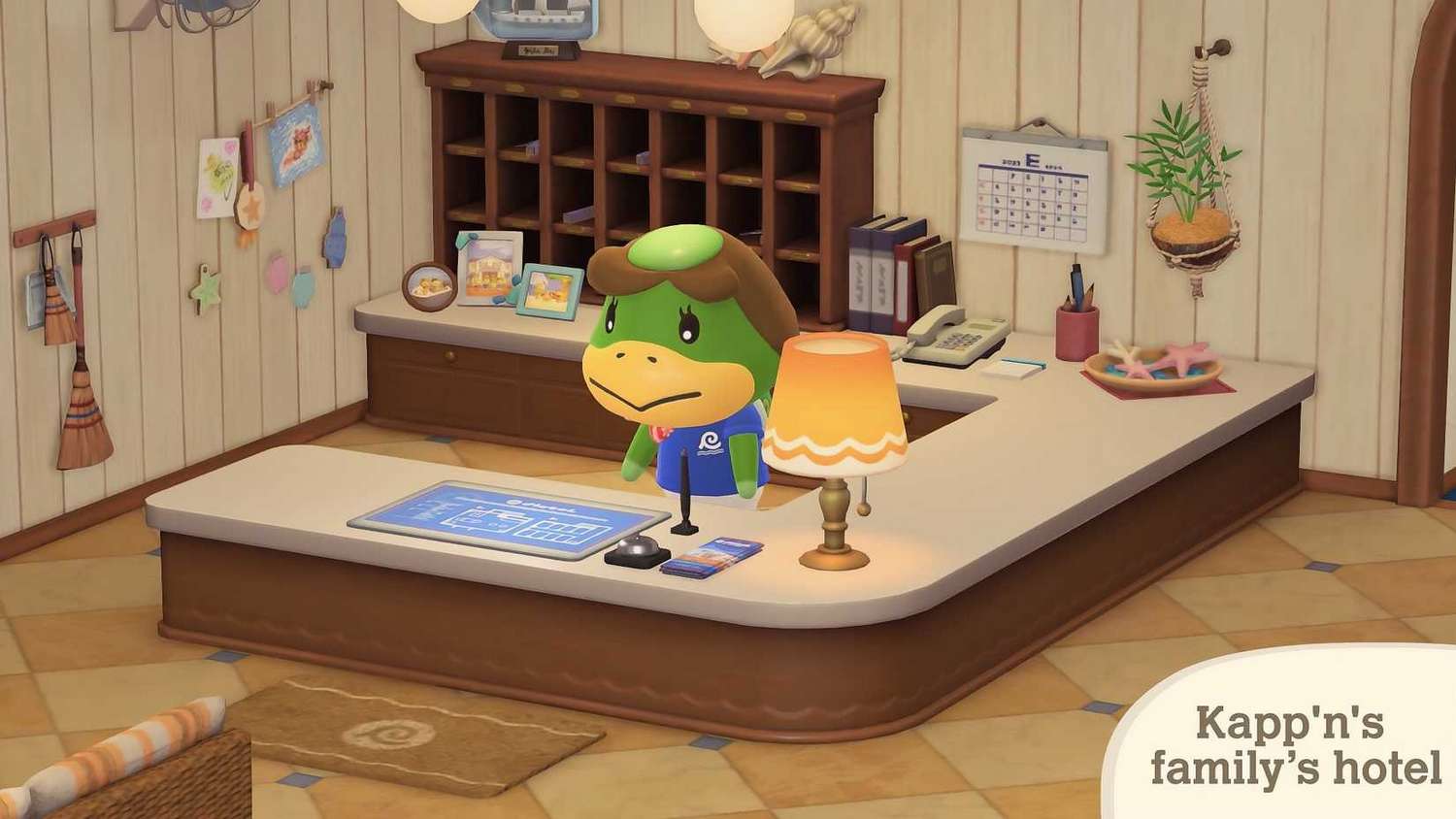
- Install Pillars and Counters: This seemingly minor addition revolutionized the very structure of in-game rooms. Pillars offered architectural support and decorative flair, allowing for the creation of faux room dividers, grand entrances, or intricate shelving systems. Counters, similarly, provided functional surfaces and allowed for the construction of kitchen islands, reception desks, or display areas, fundamentally altering how spaces could be organized and utilized.
A Paradigm Shift in Interior Design
Before the 2.0 update, interior design in Animal Crossing: New Horizons, while robust in its furniture options, suffered from significant structural limitations. Rooms were essentially blank canvases, and the only way to delineate spaces or add architectural interest was through clever furniture placement, often resulting in cramped or unrealistic layouts. Walls were uniform, and floors were flat. The lack of three-dimensional structural elements meant that truly immersive or realistic home designs were largely unattainable within the confines of the game’s engine. This often led to a sense of frustration for players passionate about home decoration and virtual interior design.
The introduction of pillars and counters shattered these limitations. Suddenly, a single room could be visually sectioned into distinct areas – a kitchen leading into a dining nook, a living room separated from a reading corner. Players could construct detailed fireplaces, build custom shelving around windows, or even create multi-level appearances within a single floor. Accent walls provided the perfect backdrop for these new structures, highlighting specific zones or pieces of furniture. This wasn’t just about adding new items; it was about providing the fundamental tools to manipulate space and perception, elevating the game’s design tools to a professional level.
Empowering Player Creativity and Deep Customization
The true genius of the Pro Decorating License lies in its ability to empower genuine player creativity and facilitate unparalleled deep customization. For a game whose core appeal revolves around crafting a personalized island paradise and a dream home, these features were nothing short of transformative. Players could now replicate real-world architectural styles, design highly specific themed rooms with intricate details, and achieve an aesthetic polish previously reserved for elaborate Happy Home Designer creations. This profound increase in creative freedom directly impacts player engagement, as the possibilities for personal expression became virtually limitless.
The community quickly embraced these new features, with social media platforms exploding with showcases of ingenious room designs, intricate kitchen layouts, and stunning decorative achievements. It revitalized the interior design aspect of the game, fostering a vibrant sub-community dedicated to pushing the boundaries of Animal Crossing interior design. This continuous wellspring of creative output is a testament to the enduring power of well-implemented game update features that prioritize fundamental design flexibility over ephemeral content drops.
The Enduring Legacy: Replayability and Community Engagement
While The Roost offers a nice diversion, and Harv’s Island provides useful services, it is the Pro Decorating License that contributes most significantly to Animal Crossing: New Horizons’ long-term replayability for a significant portion of its dedicated player base. For players who view their island and home as a form of digital real estate, constantly refining and redesigning is an endless pursuit. The enhanced design capabilities ensure that even veteran players, long after completing their Nook Miles achievements or filling their furniture catalog, have new ways to engage with the game and express their evolving aesthetic sensibilities. It’s an investment in the game’s core promise: to provide a personalized, evolving escape.
The impact of this feature underscores a crucial aspect of successful Nintendo Switch games like ACNH: the most valuable additions aren’t always the flashiest. Often, it’s the subtle, foundational improvements to core mechanics that truly expand the horizons of what players can achieve, fostering deeper connection and extending the game’s lifespan for years to come. These tools become indispensable, evolving from mere updates to essential elements of the gameplay experience.
Conclusion: A Quiet Revolution for Animal Crossing Enthusiasts
In conclusion, while the 2.0 update (or ‘3.0’ as some perceive it) brought a wealth of exciting content to Animal Crossing: New Horizons, the often-overlooked Pro Decorating License stands as its most impactful and enduring feature. It represents a quiet revolution in virtual interior design, providing the fundamental tools – accent walls, pillars, and counters – that transformed static rooms into dynamic, architecturally rich spaces. This feature didn’t just add new items; it unlocked a new dimension of creative expression, empowering players to craft truly unique and personal homes. For the dedicated designer and the casual decorator alike, this license proved to be the update’s true masterpiece, cementing Animal Crossing: New Horizons as a premier platform for digital home design and unparalleled personalization on the Nintendo Switch platform.