
Upcoming Mobile Title ‘My Child: New Beginnings’ Promises Unflinching Look at Parenthood’s Moral Imperatives










Popular Now
 Sonic the Hedgehog™ Classic
 Grand Theft Auto V
 CarX Street
Poppy Playtime
Candy Crush Saga
CarX Street
Poppy Playtime
Candy Crush Saga
 Minecraft
 NBA 2K24
 PUBG Mobile
 Free Fire Max
 Black Myth: Wukong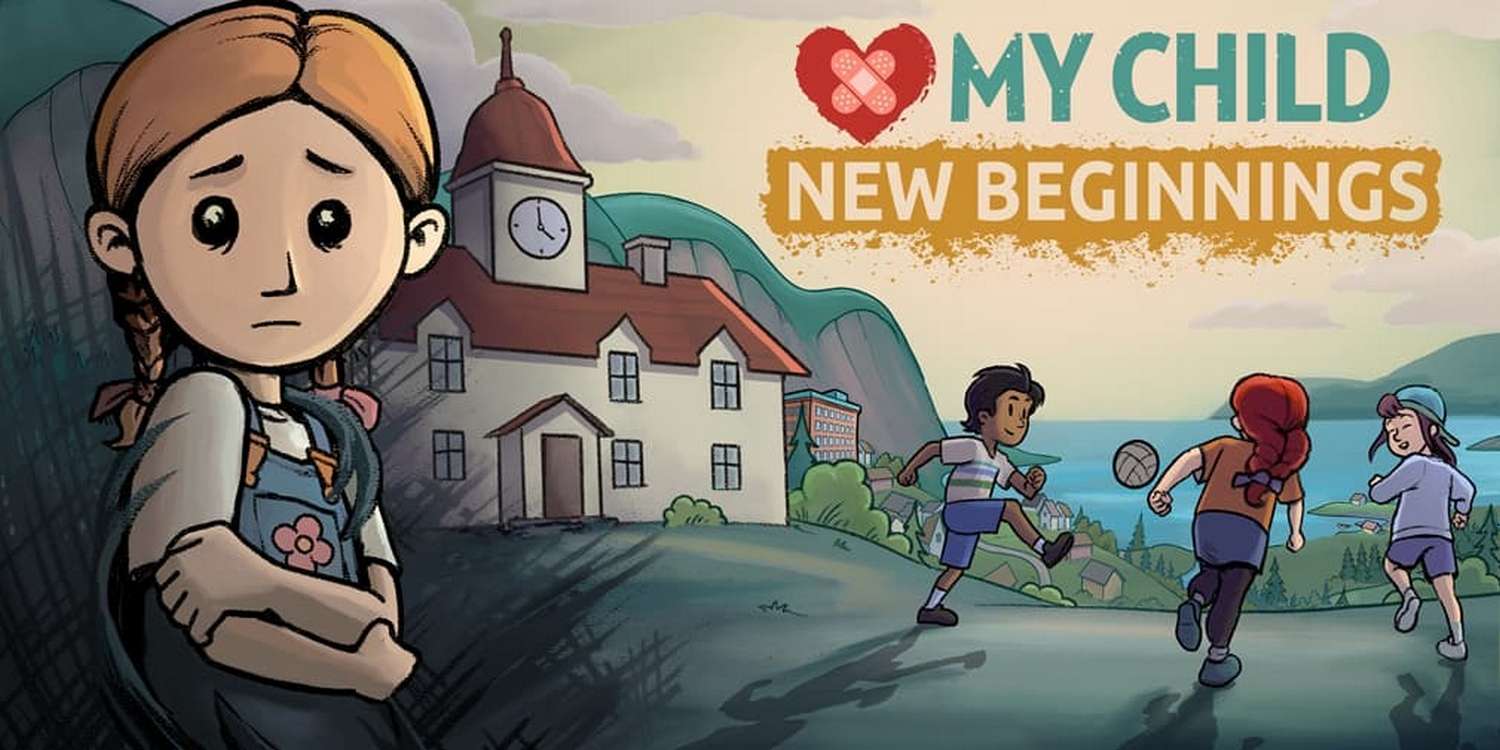
The Unflinching Mirror: ‘New Beginnings’ and the Heavy Weight of Parenthood’s Moral Imperatives
The release of My Child: New Beginnings by Sarepta Studio on mobile platforms (iOS and Android) on November 20, 2025, marks the highly anticipated continuation of a narrative journey that began with the BAFTA-winning My Child Lebensborn. Stepping away from the specific historical context of its predecessor, this sequel pivots to the universal, yet deeply personal, themes of adoption, post-traumatic healing, and the unflinching moral imperatives inherent in raising a child with a dramatic past. This is not a simulation of whimsical family life; it is a profound Empathy Simulation Investment that challenges players to confront the often-contradictory demands of emotional support, ethical choice, and pragmatic resource management.
The game places the player in the role of an adoptive parent to either Karin or Klaus, navigating life in a new Norwegian community after surviving a series of traumatic events. My Child: New Beginnings utilizes its vertical mobile interface and unique gameplay loop to amplify the emotional stakes, forcing the player to make difficult decisions that directly influence the child’s psychological development and future well-being. This deep dive analyzes the core mechanics of moral choice, the therapeutic intent behind the game’s design, and the significant impact this indie title is poised to have on the Ethical Decision-Making Software genre and the broader Mobile Gaming Market.
For those seeking an experience that transcends mere entertainment, the game serves as a critical examination of how past trauma shapes the present, and how a parent’s carefully weighed responses can either foster profound healing or inadvertently exacerbate existing wounds.
I. The Core Mechanism: Balancing Resources and Emotional Integrity
The genius of My Child: New Beginnings lies in its core simulation loop, which functions as a perpetual balancing act between the player’s limited resources (time, money, energy) and the child’s overwhelming emotional and developmental needs. This mechanical pressure is the primary source of the game’s difficult moral choices.
The Dichotomy of Parental Choice:
- Economic Imperative vs. Emotional Support: Should the player work an extra shift to afford warmer clothes for the child (practical need), or should they take the afternoon off to play and talk to the child (emotional need)? The game ensures that choosing one often directly compromises the other, creating realistic parental guilt and complex Ethical Decision-Making Software.
- Honesty vs. Protection: The child, Karin or Klaus, frequently asks difficult questions about their past, their trauma, or challenging life events like death or bullying. The player must choose between providing an unflinching truth that might be painful or offering a comforting fabrication that offers temporary peace.
- Social Integration vs. Isolation: Should the player encourage the child to attend school and face potential bullying, risking further trauma, or should they pull them out to safeguard their immediate emotional stability, risking social isolation? These are not trivial choices; they are calculated risks where the outcome is genuinely uncertain.
The success of the Narrative-Driven Mobile Monetization model hinges on the emotional weight of these choices. Players become deeply invested in the outcome, transforming the in-game resources into genuine representations of parental effort and sacrifice.
II. Therapeutic Game Design: Trauma and The Healing Journey

Sarepta Studio, known for collaborating with trauma psychologists, has integrated concepts of trauma and healing directly into the gameplay. This is not just a narrative device; it is a core system that governs the child’s behavior and the player’s objectives. This commitment to realism elevates the title into the category of Therapeutic Game Design.
Indicators of Trauma and Healing:
- Emotional State Tracking: The child’s emotional state (happiness, security, trust) is constantly tracked and visibly affects their demeanor, their interactions, and their ability to cope with daily life, creating a constant feedback loop for the parent.
- The Role of Panic Attacks: The game includes realistic depictions of anxiety and panic attacks, particularly when the child is triggered by reminders of their past. The player’s reaction—whether they offer calm comfort, dismiss the episode, or panic themselves—has long-term consequences on the child’s coping mechanisms.
- Rebuilding Life in a New Town: The move to a new region of Norway symbolizes a fresh start, but the presence of new neighbors and an expanding community introduces external pressures (judgment, rumors, new friendships) that challenge the healing process, making the environment a constant variable in the Empathy Simulation Investment.
The developers avoid simplistic “good/bad” outcomes. Instead, decisions lead to complex, evolving consequences, simulating the messy, non-linear reality of trauma recovery. This subtlety is crucial to the game’s reputation for deep, emotional immersion.
III. Technical Execution and Mobile Optimization
While the game’s strength lies in its narrative and moral depth, its successful execution on mobile platforms is critical to its market reach. The decision to launch on mobile first, despite the concurrent development for PC and Switch, is a deliberate strategy to capture the massive Mobile Gaming Market audience.
- Vertical Interface and Intimacy: The game utilizes a vertical (portrait) screen orientation, which forces a closer, more intimate perspective on the child’s world and interactions. This design choice maximizes the emotional connection and is highly optimized for quick, daily interactions typical of mobile Lifestyle Simulation Investment titles.
- Daily Life Simulation: The integration of everyday tasks—going to work, grocery shopping, cooking—grounds the high-stakes emotional choices in a realistic, relatable framework. These mundane tasks act as the resource gates that constrain the moral choices, enhancing the simulation’s depth.
- In-App Purchases (IAPs) and Ethical Monetization: The game includes IAPs, such as “Supporter Packs” and cosmetic items (furniture sets), but appears to maintain a firm boundary against “pay-to-win” elements for the moral/emotional core. The focus remains on rewarding long-term engagement and supporting the developer’s Indie Game Industry Impact through emotional content, rather than exploiting frustration.
However, early player reports have noted some technical bugs following the initial release—such as save file issues and temporary freezing during certain chapter transitions—a common challenge for deeply complex Indie Game Industry Impact titles on multiple mobile devices. Sarepta Studio’s rapid response to these issues is crucial for maintaining the emotional trust established with their player base.
IV. The Legacy of ‘My Child Lebensborn’ and Market Impact

My Child: New Beginnings enters the market with a heavy legacy. Its predecessor, Lebensborn, was lauded for its unflinching look at the historical tragedy of the Children of War, setting a high standard for narrative integrity and ethical game design. The sequel aims to replicate that success by applying the same design principles to a more contemporary, yet equally profound, issue: the long-term effects of trauma on a child and the profound responsibility of an adoptive parent.
The game is a significant cultural contribution, joining a niche but growing category of games that utilize the medium’s interactive power for social commentary and emotional training. It challenges the broader Mobile Gaming Market to look beyond quick, casual entertainment and embrace experiences that foster genuine empathy and introspection.
V. Conclusion: A Necessary Game for the Modern Era
My Child: New Beginnings is more than just an upcoming mobile title; it is a vital Empathy Simulation Investment. By forcing players to confront the difficult moral trade-offs inherent in raising a vulnerable child, Sarepta Studio has crafted a powerful piece of interactive fiction that refuses to offer easy answers. The game’s strength lies in its willingness to allow the player’s own emotions—guilt, frustration, boundless love—to clash with the objective “right” choice, mirroring the true struggles of parenthood.
For players seeking a deeply moving, challenging, and culturally significant experience, this title is mandatory. It redefines the boundaries of the life simulation genre and solidifies Sarepta Studio’s reputation for producing games that are as ethically compelling as they are mechanically engaging. The moral imperatives are heavy, but the reward—the potential healing and growth of Klaus or Karin—is immeasurable.